Prune Belly Syndrome: Elijah’s Grand Garage Fundraiser

Garage Sale
Sunday 9th September
91a Freyberg Street
Lyall Bay

Not before 9am pleaseHi
my name is Elijah and I was born with Prune Belly Syndrome, duplication of Chromosome 8 and Y, and suffered brain damage at birth.

50% of Prune Belly patients die before their 2nd birthday.

Wellington Children’s Hospital doesn’t have a Urologist so I need to save money to go privately for much needed tests and surgery.

If you have any items you could donate to my garage sale please contact my Mum.

Otherwise we will see you on the 9th…Thanks Elijah

Below is the details relating to Prune Belly Syndrome. Please read. If you can help please go to Elijah’s Facebook Page listed at the bottom where you will find a lot more information and the Up’s and Downs of living with Prune Belly.
Elijah’s Prune Belly Page
Hi my name is Elijah and I was born with Prune Belly Syndrome.

Also known as Eagle-Barrett syndrome, prune belly syndrome is characterized by three main features:

1. Anterior abdominal wall musculature deficient or absent
2. Urinary tract anomalies (such as a very large bladder)
3. Bilateral cryptorchidism (two undescended testicles)

The incidence of prune belly syndrome is about 1 in 40,000 births; 95% of cases occur in males. In the past, it was suggested that the abdominal wall was deformed by pressure from a distended bladder due to bladder outlet obstruction in utero. Currently, it is thought that prune belly syndrome is a multisystem disease complex which derives from a primary defect in mesodermal development at about 8 weeks gestation.
The major prognostic factor is the degree of dilation of the urinary tract; 20% of patients are stillborn, 30% die of renal failure or urosepsis within the first two years of life, and the remaining 50% have varying degrees of urinary pathology.

I was born in renal failure with grade 5 bilateral reflux. I have a lower urinary tract obstruction which prevents me from passing a normal stream of urine and at 4 days old my bladder began draining through my urachus, the urachus is normally obliterated during embryonic development, transforming into a solid cord. Mine did not and for 6 months this was my only method of emptying my bladder. Then one day it closed over. After that I have suffered periods of up to 5 days unable to pass urine and this strain has now meant one of my kidney’s has completely failed.

I constantly suffer UTI’s (urinary tract infections) and probably as a result of some of the medicines I get to treat them have lost my hearing.

To date I have not been offered any surgery to repair any of my urinary problems and now with the help of my Mum and the wonderful support networks overseas I am hoping to beat the odds and not be one of the statistics!

https://www.facebook.com/#!/ElijahPruneBelly

 © Elijah.

Out There in Wellington:Knapp Gun

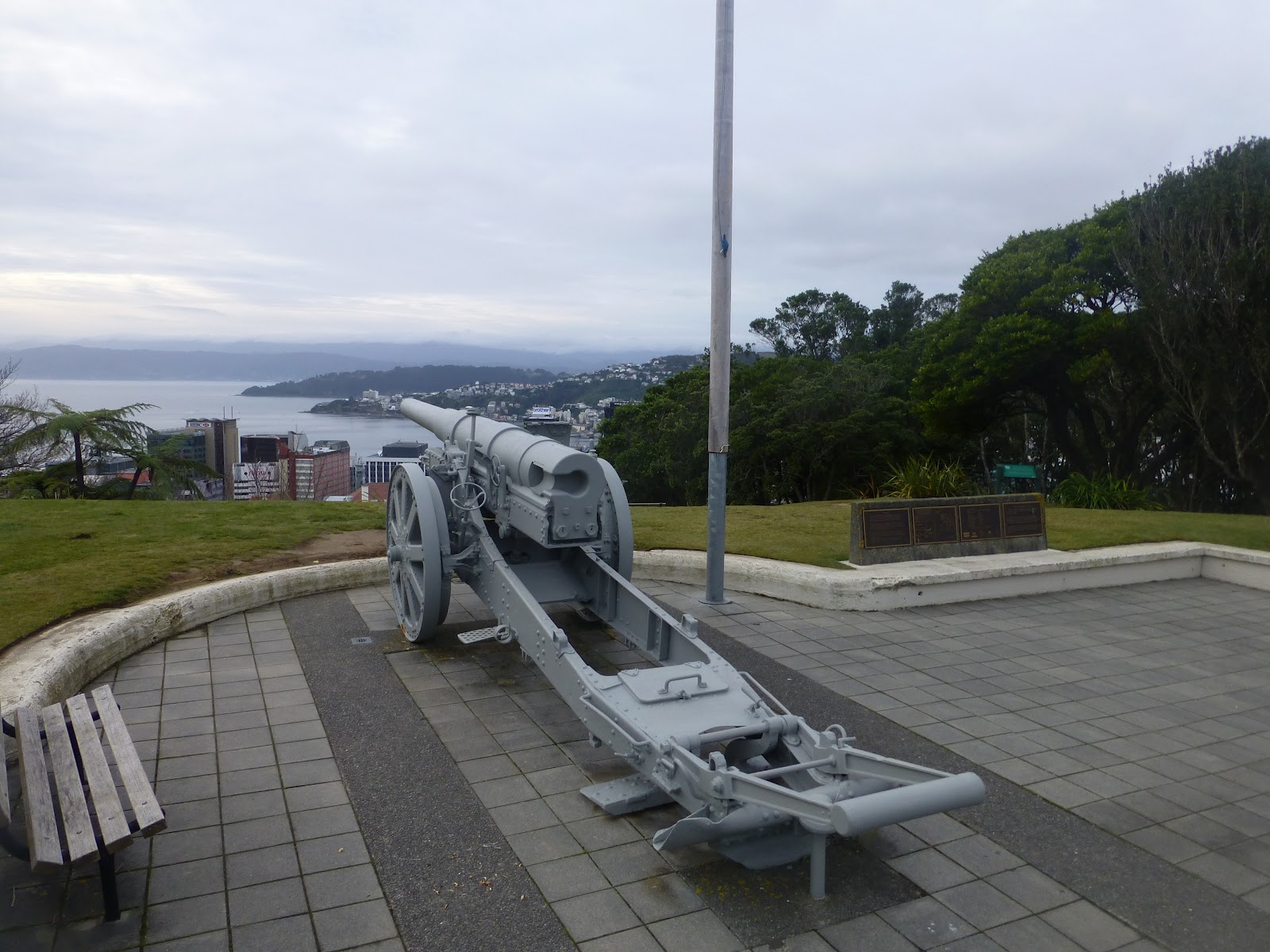
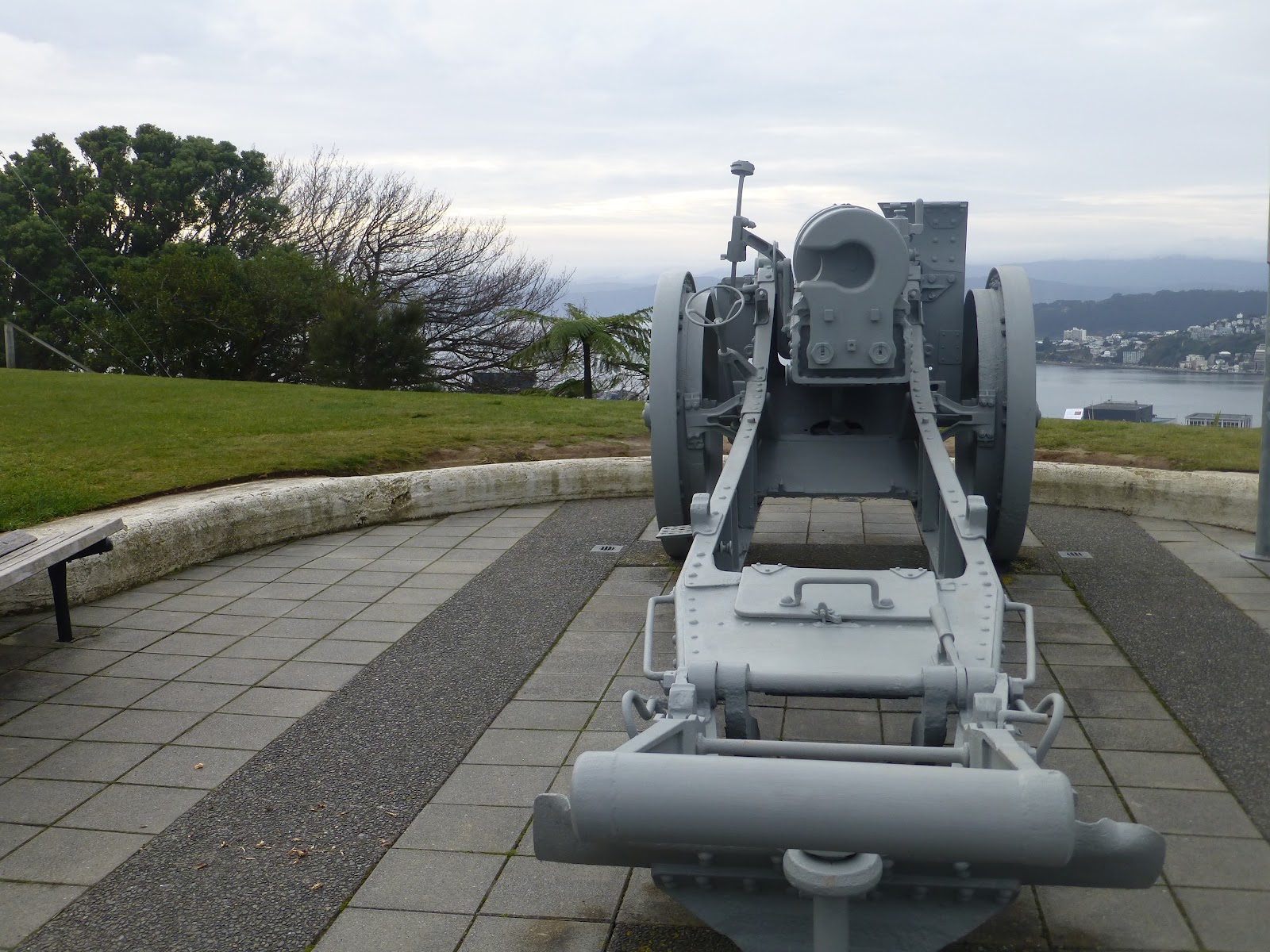
The Knapp Gun is located next to the old  Dominion  Observatory, a few minutes walk from the top of the cable car (Botanical Gardens). 
 The guns have a great view over Wellington’s Harbour. The gun was never part of the coastal defence system that are dotted around the South Coast of the North Island.

 The gun was made in 1907 in Germany by Fried. Krupp AG. It was used during WW1by The Prussian Foot Guards Artillery Regiment.

 The gun was captured in 1918 at La Vacquerie where the New Zealand Army was part of the attack in that area.
 At the end of the war the gun and many other items were sent to New Zealand as war trophy’s.In 1920 it was given to Wellington as a memorial to those soldiers from Wellington.

 For the best part of 80 years it was on display at Newtown park before being moved to its current location.
 It is is thought that out of the 190 or so that were built it is the only one that has survived.

James/Windy Hill Flying Club

Out There in Welllington:Hidden Art:Spinning Top

 This one of many pieces of art commissioned by Wellington Council. Some you can come across without looking. This is one that many visitors can easily miss.

 It is Woodward Street (opposite Waring Street) and is located near the steps that take you up to The Terrace.

 It was installed in 2002 and is made of Stainless Steel and was made by Robert Jahnke.

James/ Windy Hill Flying Club.

New Zealand Shake Out 2012 Update 3: Are You Part of It

 
870000 Are Signed  Up
 The good news is that over  870000 people ready, are you??. Do not miss out on this important event.
 Signing up is easy go to Shake Out NZ and follow the links. The web page also has up to date info and video clips.
 There are a number of additional links including those that require additional help.
 You can sign up to Facebook and Twitter where you will receive alerts and news items that will help to prepare for the drill and the preparation that  is required in the event of another major EarthQuake in New Zealand. 
 James/Windy Hill Flying Club.

Lyall Bay: Arson and Being a Community

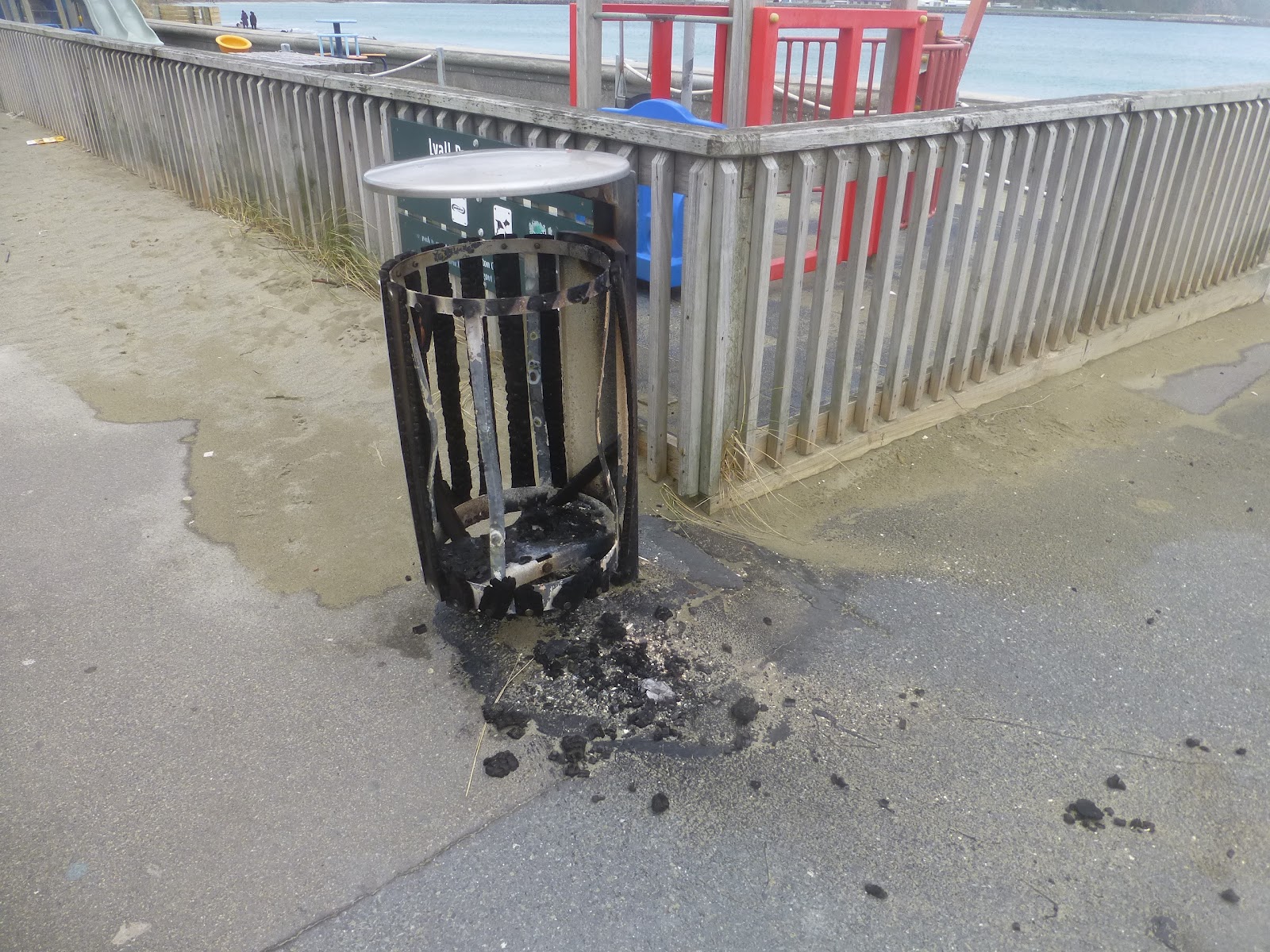
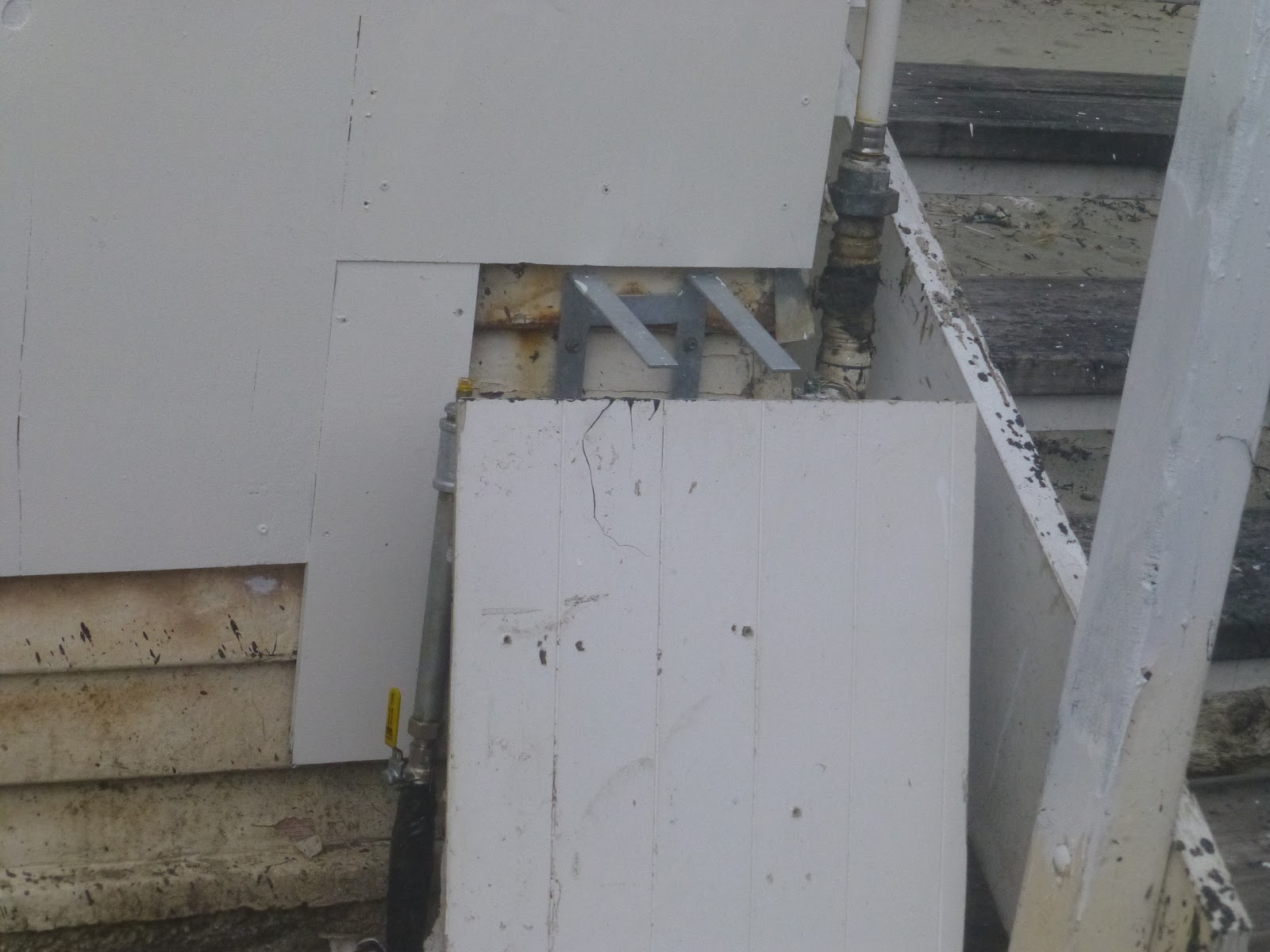
The arson attack last night in Lyall Bay (25th August 2012)  with the Maranui main skip being set alight ( could have been a disaster as it was near the gas pipe) also the bin near the Playground it has brought to light how important we as community we can play.
We all need to be aware what is happening around us, and with those who have strange hrs at work you will be around at times when very few people will be about.
We need to look after each other and ask if anything happens out of the ordinary.
Many people have said over time they like Lyall Bay and feel its their home. Its now time to start being a community and not hide. It could be your house,or business and or worse someone could get hurt.
Now is the time to stand up and be counted.
James/ Windy Hill Flying Club
Thank you to lyallbaylemoNZ for the idea.
 

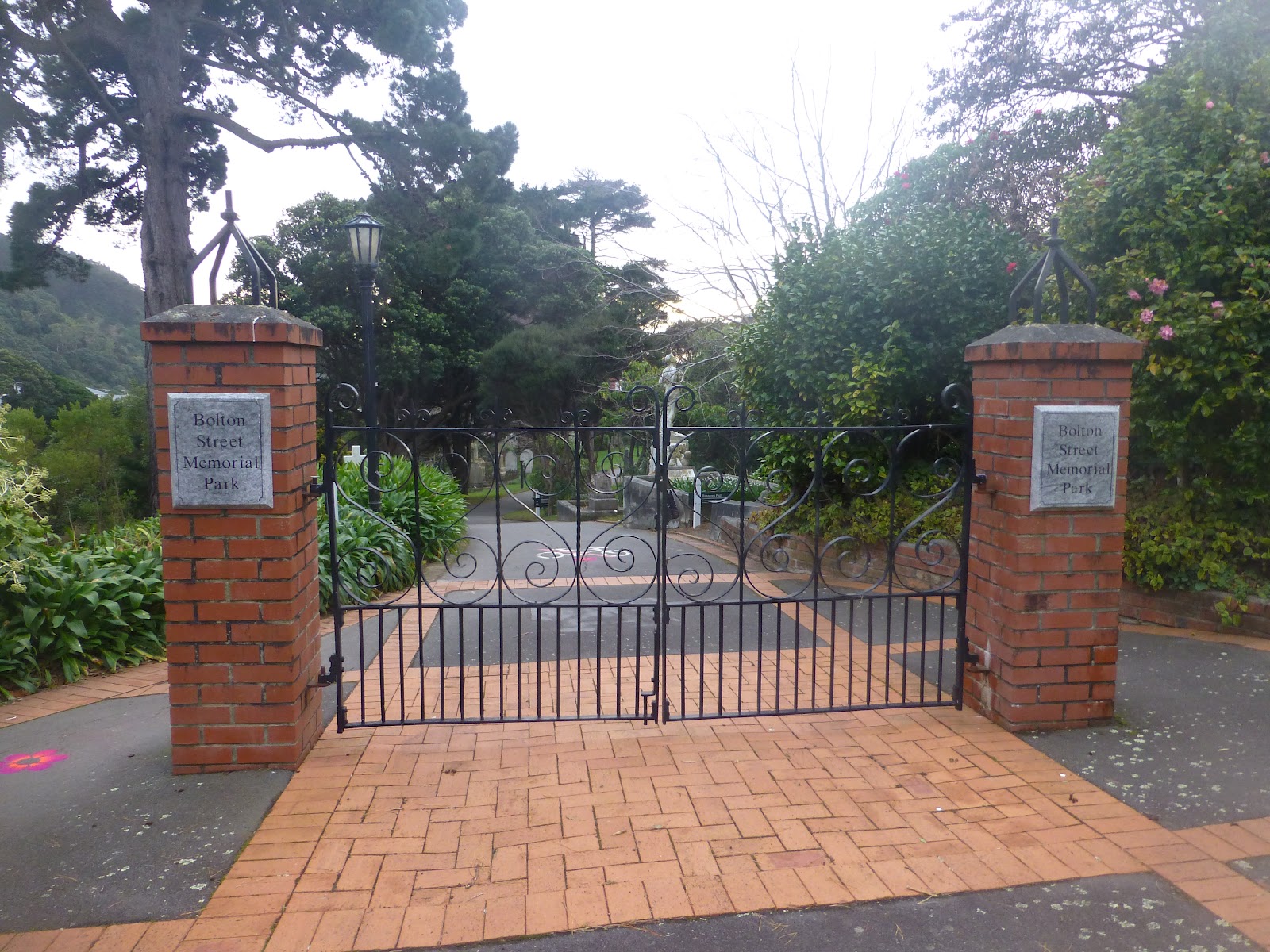
Out There in Wellington: Bolton Street Memorial

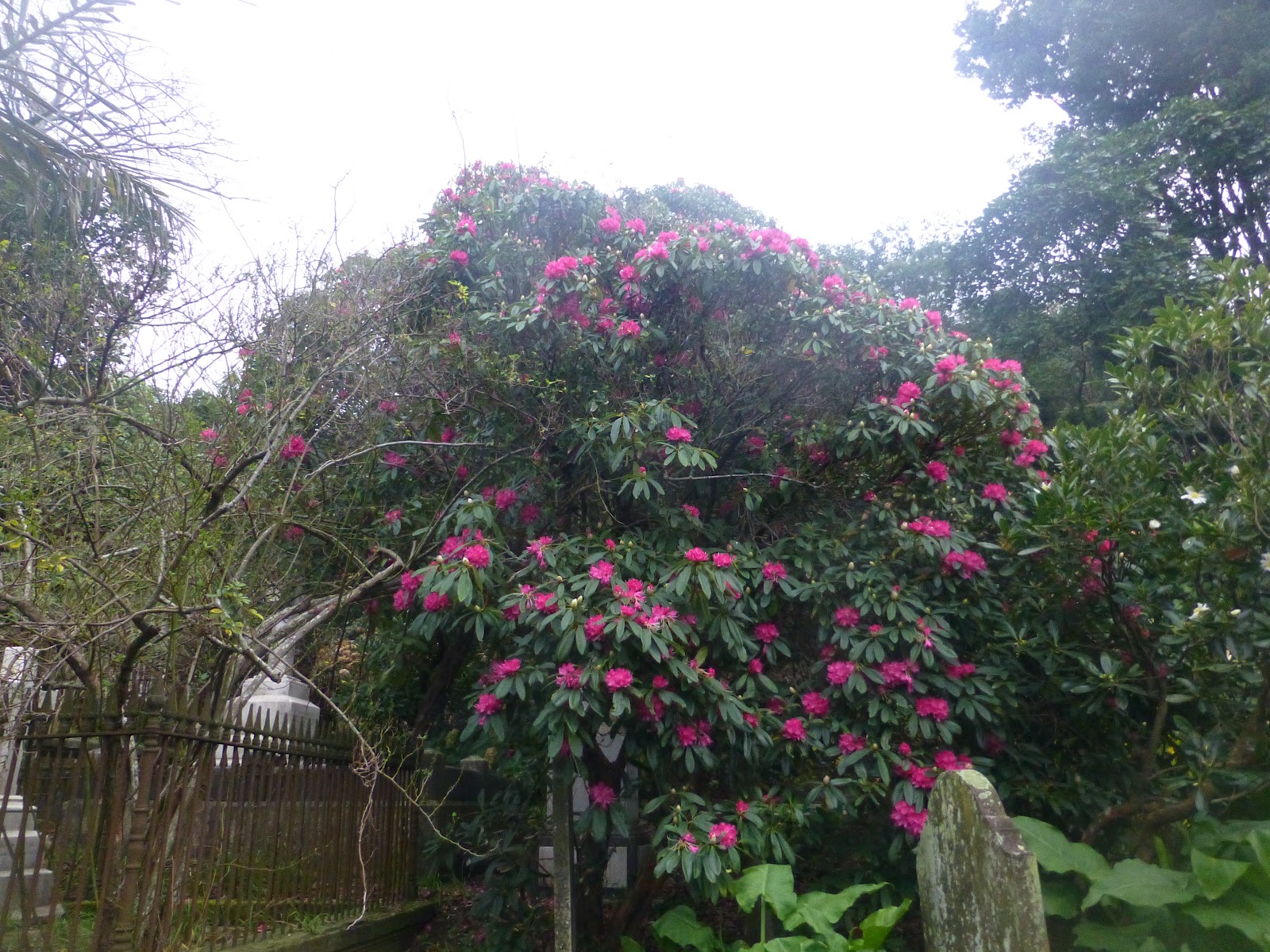
  The Bolton Street Cemetery opened in 1880 which was then located on the outskirts of the developing Wellington. Unlike the usual way where the different churches would have their own cemeteries, the idea was to have one area.
 As part of this the individual faiths asked for different areas within the overall area. So the area was divided so that the Anglican. Jews the public areas whilst the Catholics had a separate area which is currently located in Mount Street Kelburn.   
 With many deaths occurring and the ever growing city it closed in 1892    to any one other those related to those  who had relatives buried there.Community leaders and politicians were also buried there. 
 Wellington City Council also took over control in 1892.

 During the 1960’s Wellington proposed to build a motorway through the cemetery, which resulted that it closed between 1968/71.
 During the construction around 3700 burials were discovered and exhumed. These were moved to a vault located underneath the Memorial Lawn although some were moved to Makara and Kariri. 
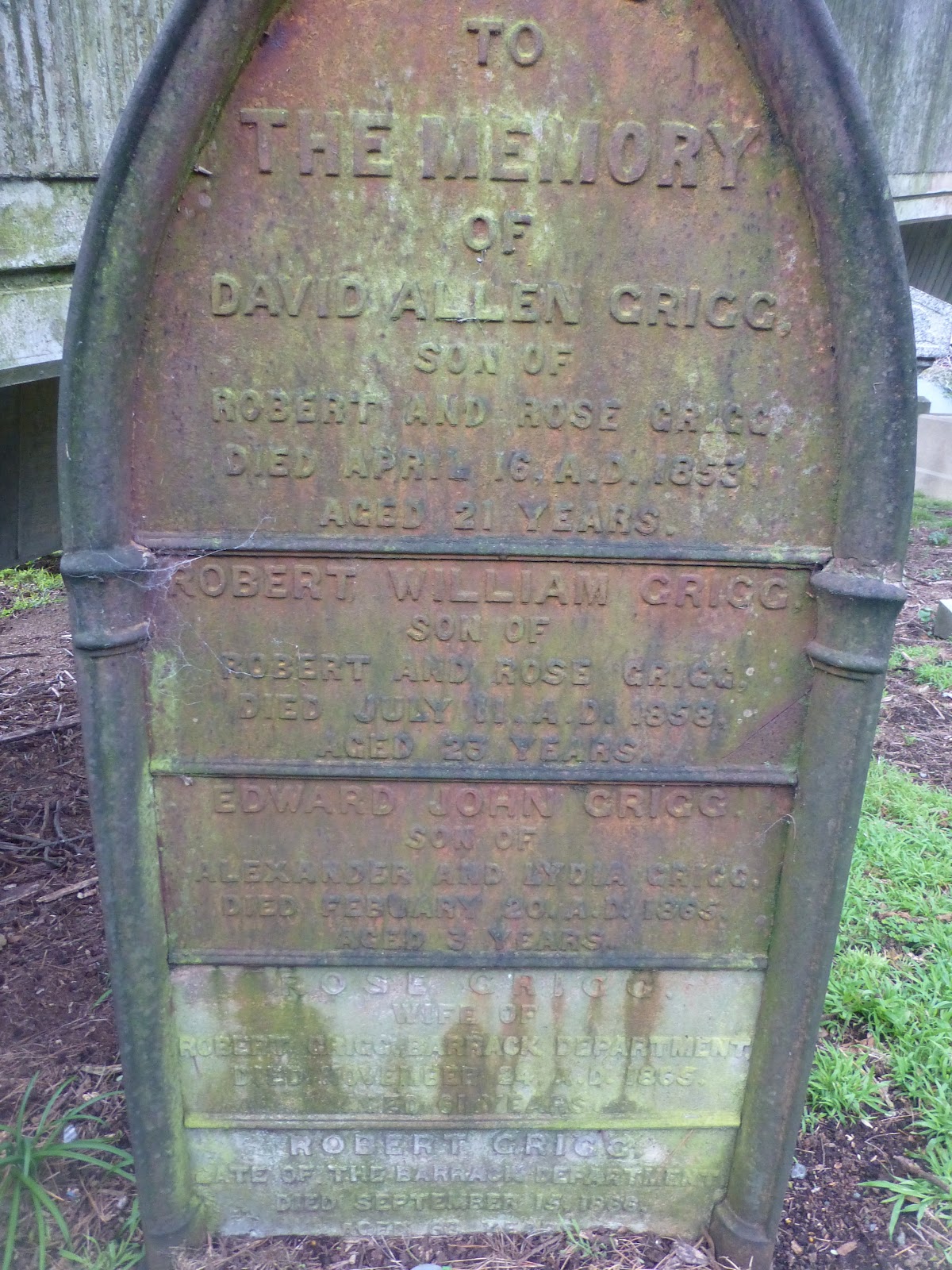
 Those burials that could be identified are recorded at the chapel located near the Bolton Street Hotel.
 The cemetery is classed as a Historic Site and Reserve.  

  Entry to the area is through to main areas. One is from near the Rose Garden at the Botanical Gardens or from Bolton Street which is located of the Terrace on the town side of the motorway. 

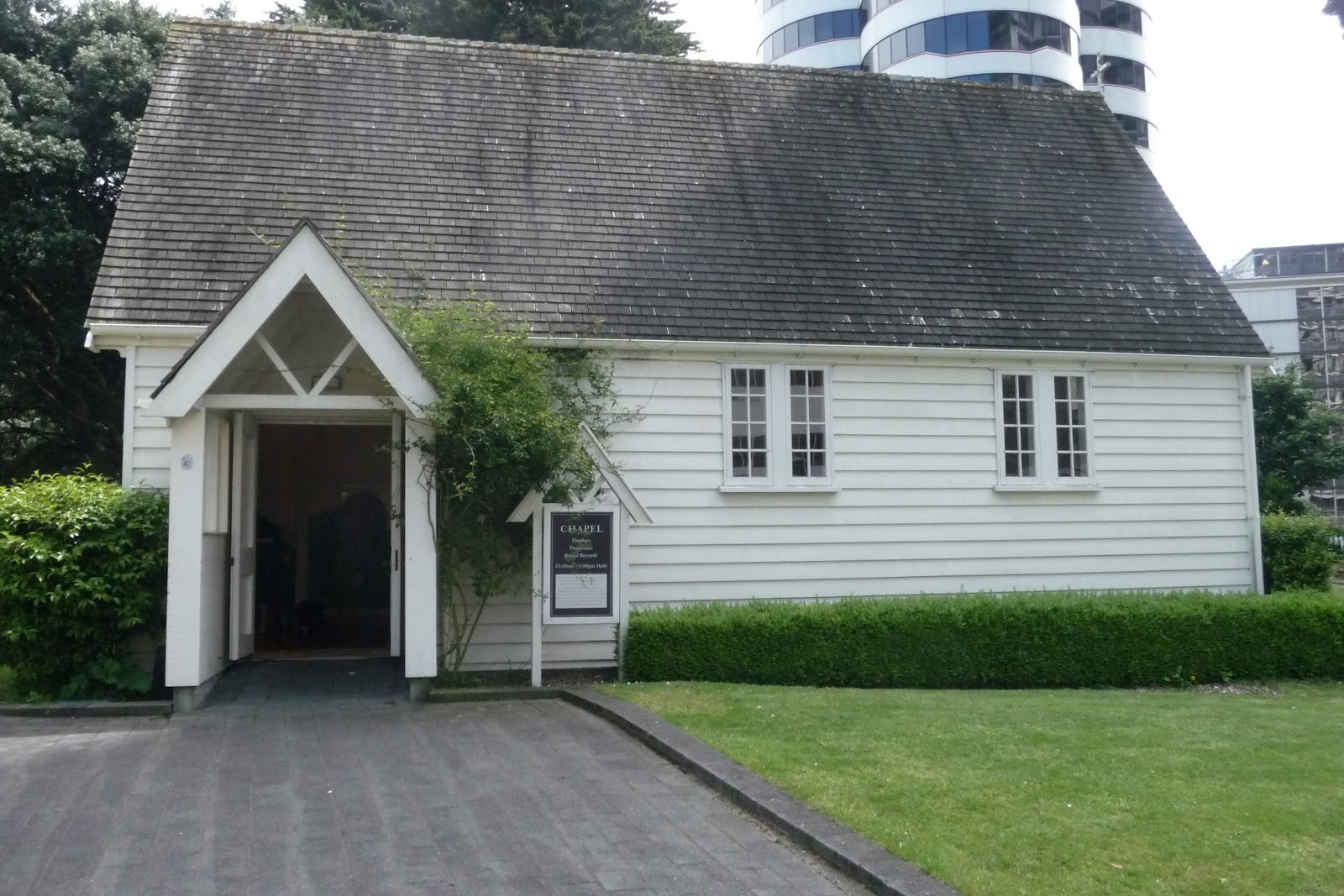
 Located at the Bolton Street entrance is the Chapel which is open from 10 to 4 each day. Here you will found the books that contain the list of the names of those that are known to have been buried there.The books have 8,679 names listed of those buried.
 The Chapel is located next to the Sexton’s Cottage which is one of the oldest buildings in Wellington
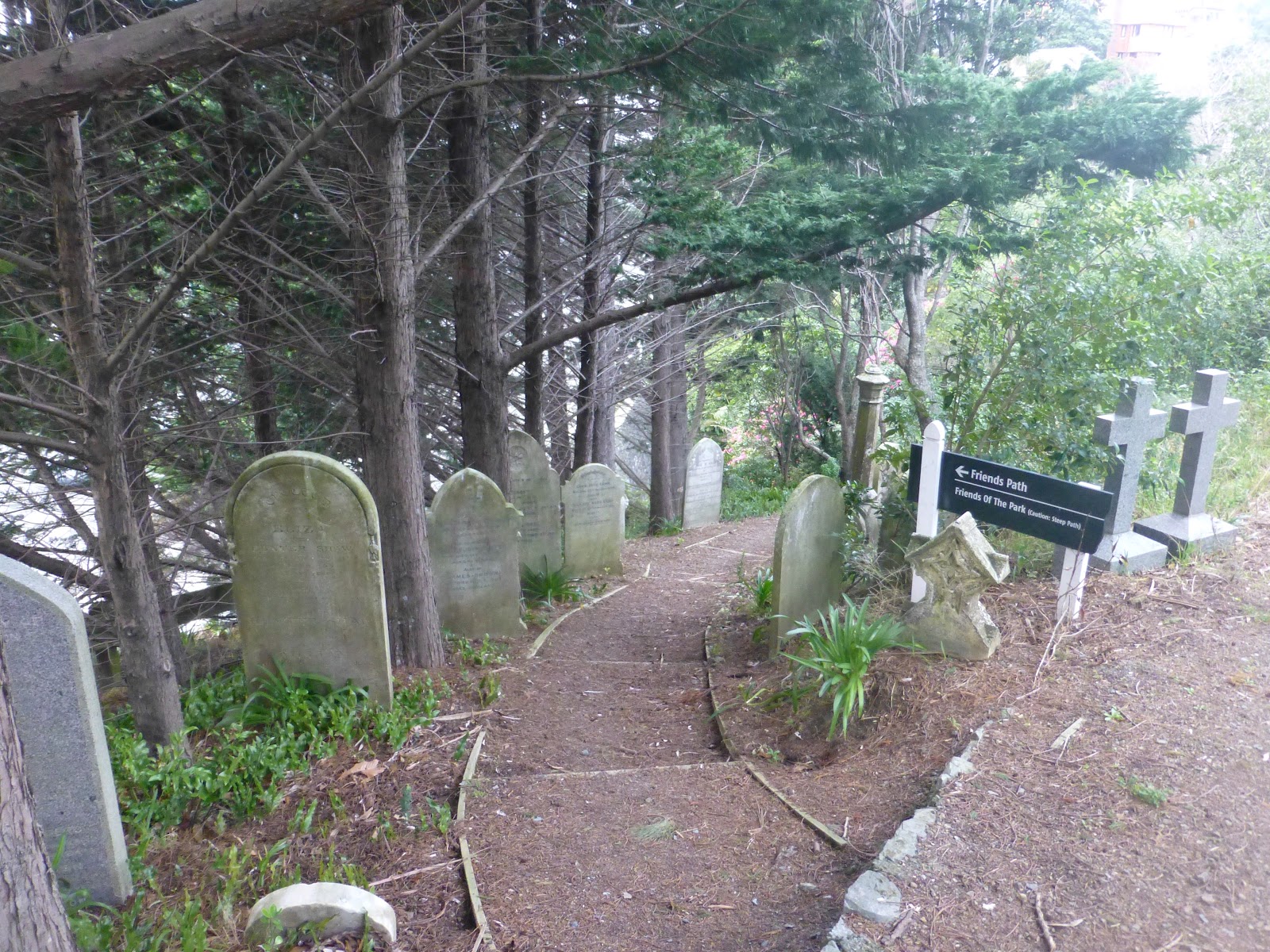
 Just past the Chapel is the Early Settler’s Lawn. This is lower than the Chapel. Around this area some short tracks that take you around through the head stones

.
 Then take the foot bridge over the motorway where you will come across the larger part of the Cemetery. Here there are a number of tracks that are all named. Take a slow walk and have a sit and relax through this oasis.There are a number of plants that can be traced back to the early days.

  You climb gently until you arrive at the main gates where you enter the Botanical Gardens.At these gate you will see the Seddonstatue with its view over Wellington.This site was the original site for Wellington’s Time Service Observatory.Located under the statue is the family tomb that is the resting place for  Rt Hon Richard Seddon (1845-1906) and Mrs Louisa Seddon (1851- 1931), daughter Mary Stuart Hay and son Richard John Spotswood Seddon

Below are 2 good sites on the Cemetery.

Friends of Bolton Cemetery.   A excellent site providing detail information of the history and the plans for the
                                               cemetery.

Wellington Council Page   Wellington’s Council page on its Web Page.
Richard Seddon  History about Richard Seddon *
 

Family Burial Plot.
James/ Windy Hill Flying Club
*Wikipedia 

Wellington Walks: Te Kopahou Reserve

 This is a large reserve that sits South West of Wellington. Its main boundaries is the South Coast from Sinclair Head/Red Rocks through to Owhiro Bay, Happy Valley Road to the Landfill Road to the East, and Hawkins Hill in the North.

 Within this area there are a number of walks of different lengths and grading. All can be interlinked giving the walker/rider a great variety of choices.

 I have broken the walks into a 3 areas.

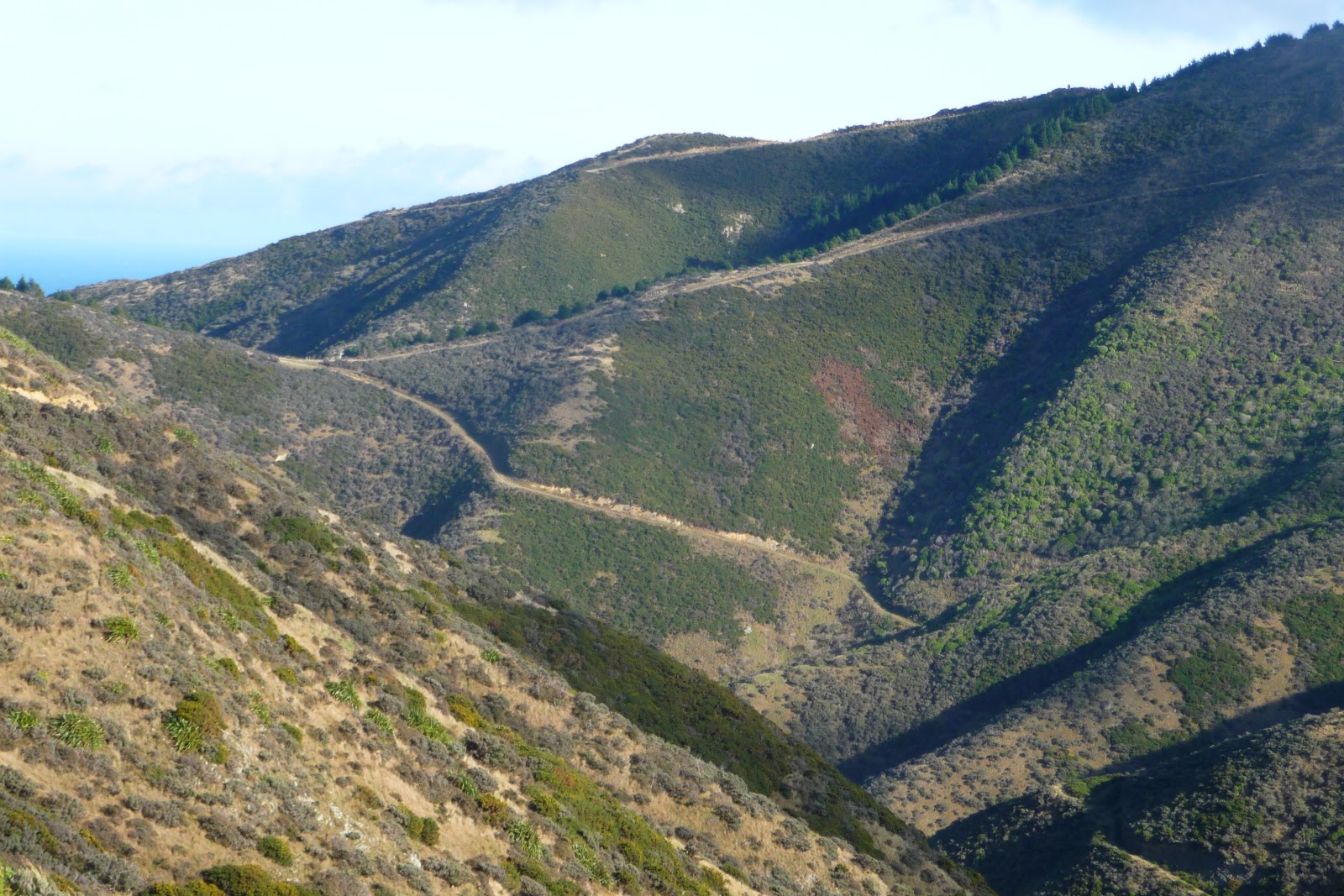
Tip Track:  This also starts from the Happy Valley Road. The start is a metal gate that is located to the left to the main landfill road. Here you will find a good information sign of the walk and other points of interest and general information.
 The track is hard underfoot for most of the distance but does have loose rock on top.

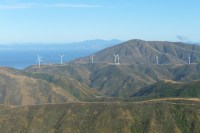
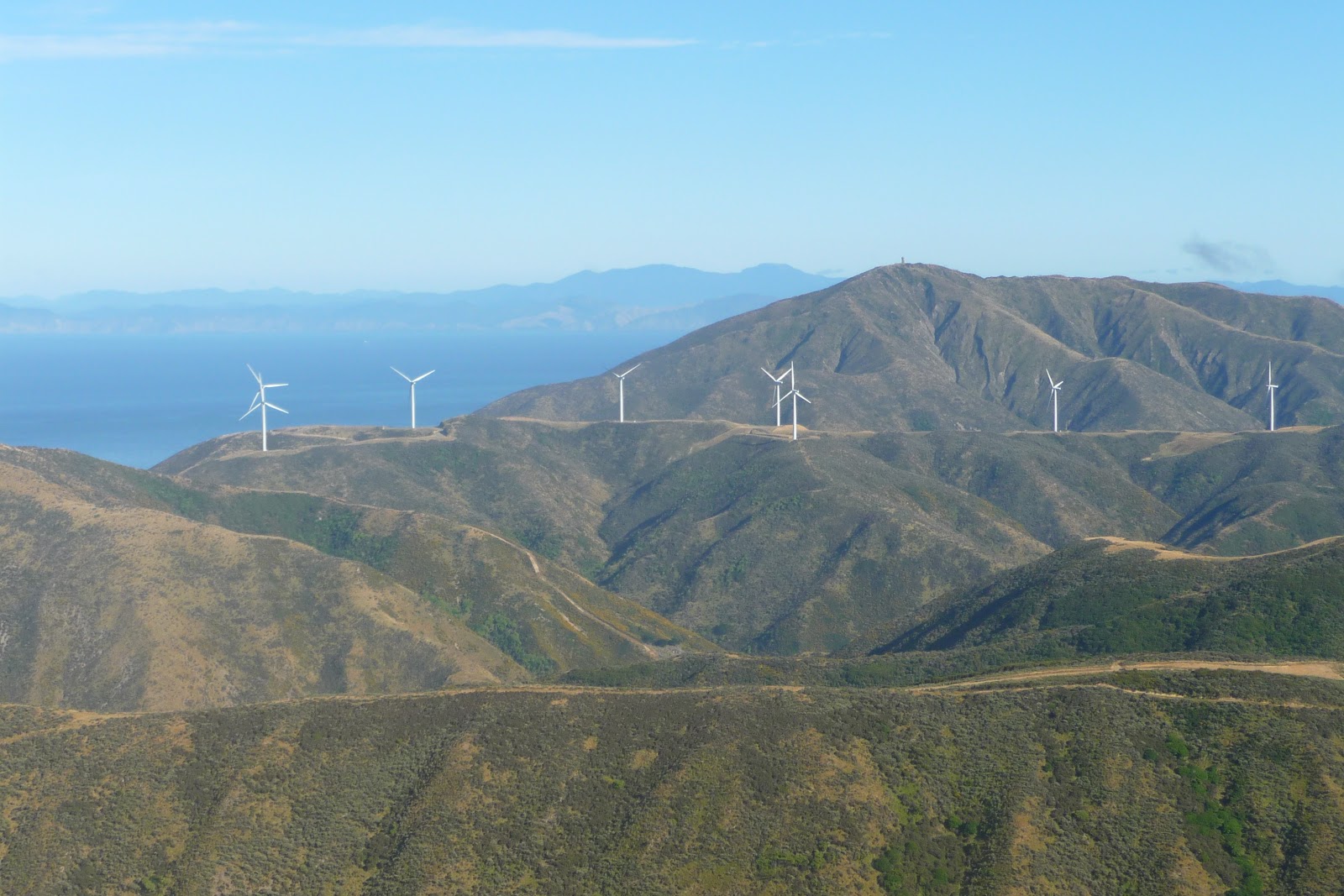
 The track is just short of 4km. It makes height very quickly, working its way up through a mixture of scrub like plants. For the best part of the view from the track is the Southern Landfill and Gullies area. Also you get a good view of one of the major landmarks in Wellington. The Brooklyn Wind Turbine. It can be see from most of Wellington and the views from here gives some of the great views of Wellington and the South Coast. On a good day you can see the ranges of the South Island.
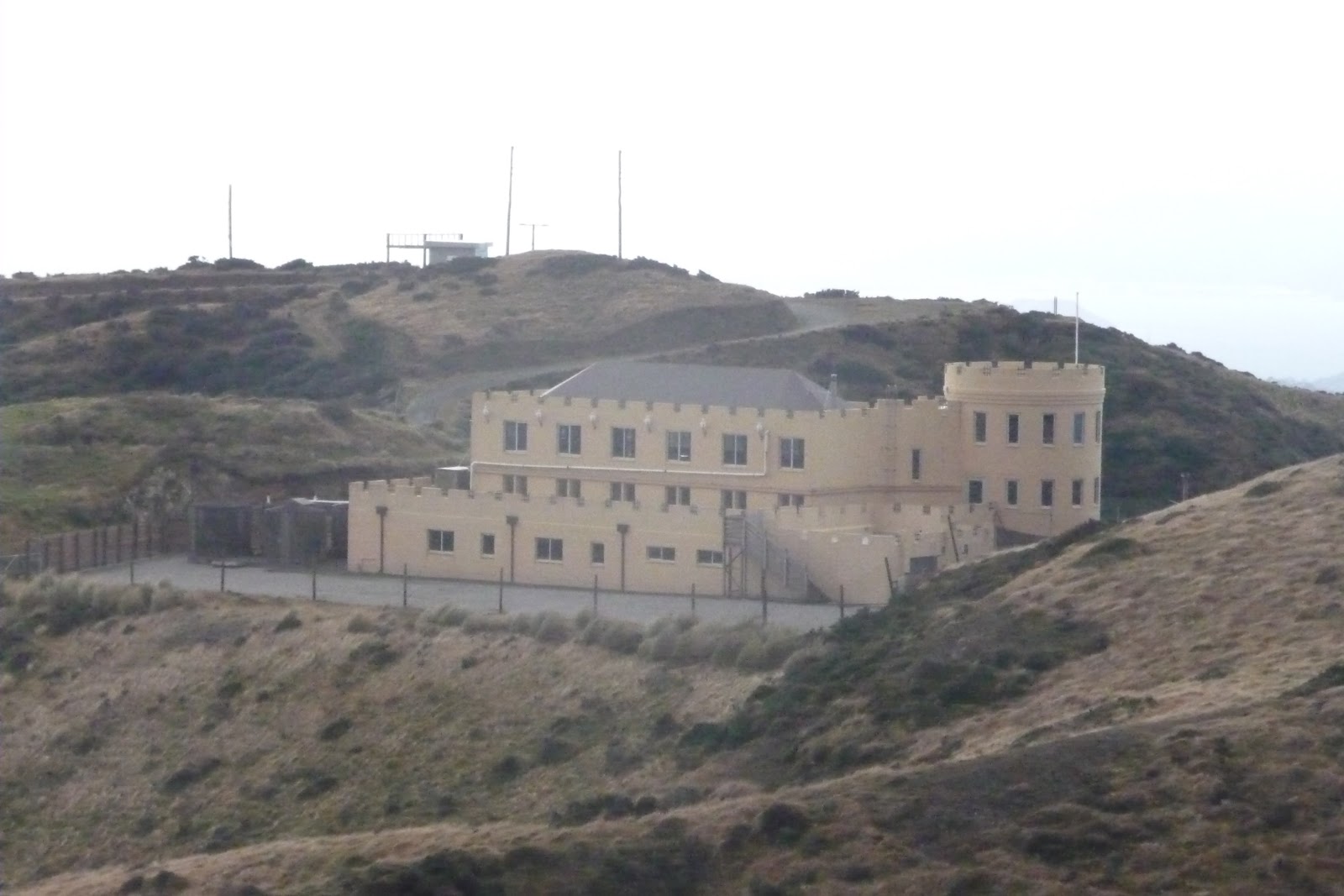
 As you twist and turn along the hill you will also glimpse a large building on the ridge above called the Castle.

You will cane across a tack on your left at about the half way stage another track called Spooky Gully. This track is about 1.5km. It joins the Tip Tack with the Red Rocks Track. Don’t let the distance deceive you. Although i have not walked it i have viewed it from both sides. It is steep in both directions. So be warned.
 With about 1.5km to go you will arrive on to a ridge that gives you some great views of the reserve.
 Within sight of the top you will come across a signed junction. Here you have a some choices depending on what you would like to do.
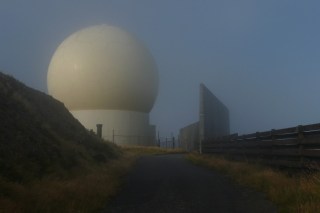
 Carry onto the top of the ridge. Here you can follow the tarmac road to the Wind Turbine and then down to Brooklyn, take the Red Rocks Track to your left. Lastly at the top take a left which will take you towards the Radar Building. This area is covered later.

 Red Rocks:  From the top of the ridge to Red Rocks it is more or less down hill, and it will in most places follow the ridge line before dropping down to Red Rocks.
 It is a little over 6km long and for most is good underfoot. There will be places that it can get soft underfoot and in the narrow places ruts are formed from the use of bikes on the track.
 The views from here are very impressive of the south coast and the Cook Straits.


 To your right you will see to the bottom of one of the valleys that winds its ways down to the coast. Also you will see another track called Radome named after the Aircraft Radar where it starts. This a very steep track in places.
James/ Windy Hill Flying Club
Lyall Bay:Aviation Street Names.

UA-33228096-1

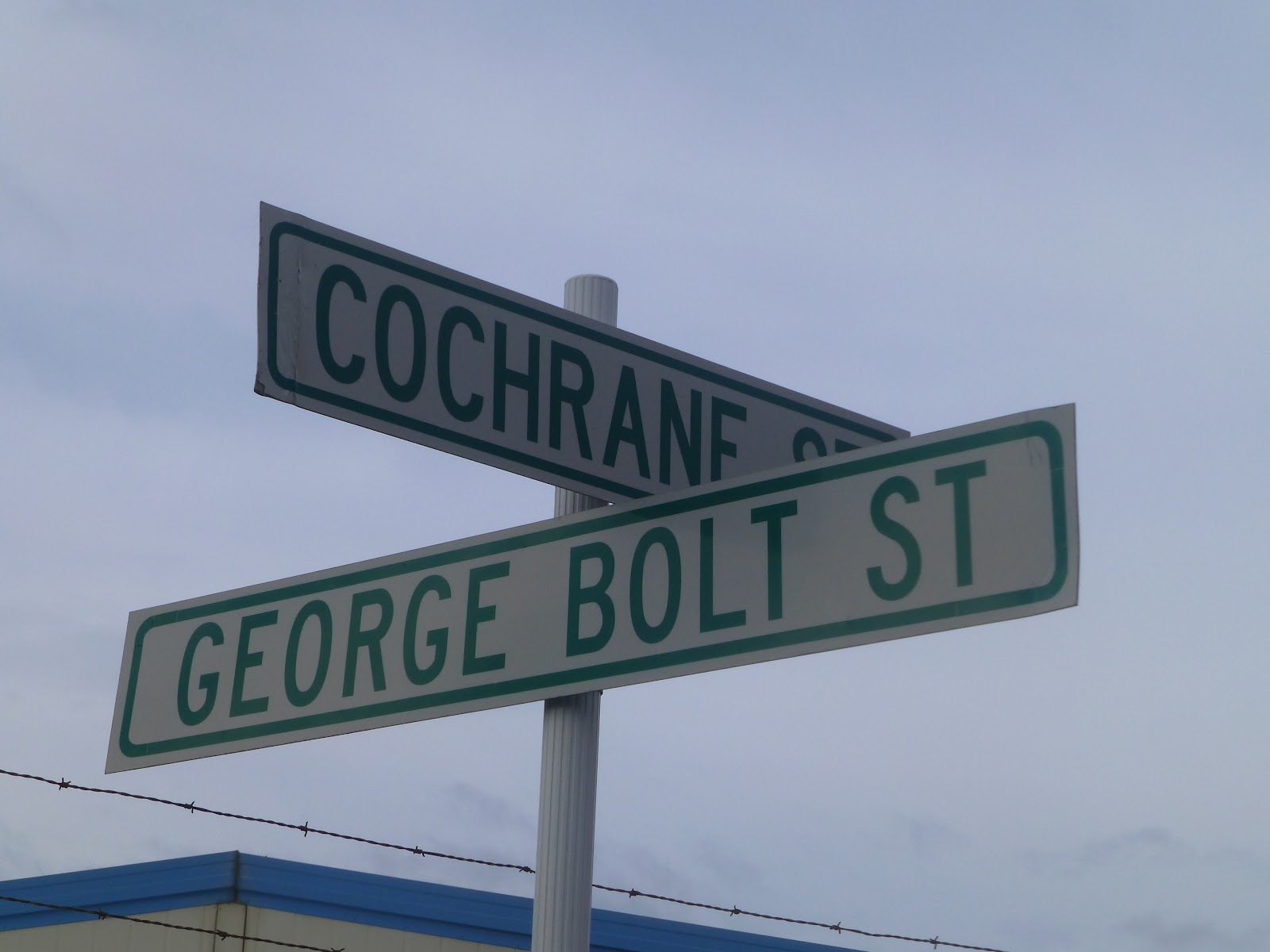
  Located within the Airport Retail Park next to Wellington Airport are 2 streets that have been named after 2 people that have contribute to aviation in the early days within New Zealand.

 Cochrane Street: Named after Sir Ralph Alexander Cochrane. He was born in Scotland and served in WW1 as a test pilot. From 1920 he spent time with the RAF research department.
 In 1936 he was seconded to NZ to report on the air defence policy. This policy was accepted by the government of the day.After this he was appointed as NZ 1st Chief of Air Staff.
 In 1939 he went back to the UK and was part of the bomber group that become known as the Dambusters. 
  In 1952 he retired and passed away in 1977.

 George Bolt Street:Named after George Bolt one of the original pioneers of NZ Aviation.During the period of 1911 to 1914 he built and flew gilders. During WW1 he was chief instructor at the NZ Flying School in Auckland.
 After the war he first flew airmail and in 1919 and the 1st flight between Auckland and Wellington.. Between 1931-35 was an instructor at Wellington’s Aero Club,then chief pilot for Cook Strait Airways. 
 During WW11 was a senior engineer.
 From 1944 to 1960 worked for Tasman Empire Airways which  is now known as Air New Zealand.

  On the pavement opposite Rocket Bikes and Dicksmith (not far from LifeFlight) you will see 2 concrete plinths at right angle. On these are 2 metal plates that are inscribe with the full information about  the above 2 aviators.

Cochrane Street and George Bolt Street. Shows location of the 2 streets and the surrounding area.

  Cochrane Street runs from Lyall Parade between The Warehouse and NZ Airforce  Movements building. Whilst George Bolt Street runs from the Lifeflight Building passing Cochrane Street towards Tirangi Street.

James/ Windy Hill Flying Club.

Out There and Beyond Wellington: The Settler’s Museum, Petone

The Settler’s Museum is located on  The Esplanade, Petone, opposite Buick Street, which runs between The Esplanade and Jackson Street, where the Te Puna Wai Ora (Spring of Life) is located.

 The building commands unrivaled views  Soames Island, Wellington and its Harbour to right  and to the left the Rimutaka Hills and the Harbour entrance and over to Seatoun.

  The building itself is one of New Zealand’s significant memorial buildings, namely The Wellington Centennial Memorial.This was opened in 1940, which then became the centre point of the beach life around the area.

 After 70 years the building was refurbished to bring the experience more up to date. The current exhibition is about the areas history from when the 1st settlers arrived in the area.

On Saturday 25th August 2012 The Amazing Travelling Booth will  be there from 15.00 to 19.00 as part of Petone Winter Carnival 2012

 The current opening times are Wednesday to Sunday 10am to 4pm

A couple of good web pages with full and up to date information are below:

New Dowse: Settlers Museum Main Info.

Hutt Valley NZ: Also other facts and info about the area.

James/ Windy Hill Flying Club.

Out There and Beyond Wellington:Petone’s Historic Jail


  The jail was original built in 1909 and was until 1972. It was located in Elizabeth Street but it now can be found  at 274B Jackson Street (Petone’s main road). This situated a little back from the road and is next to the current Police Station, on the other side is a cafe offering a great coffee.
 In 1991 Petone Historic Society took over building as well as the old Police Station.

 Below are2 good links that give some very good information about the Historic Jail.

Hutt Valley NZ
Jackson Street Programme

James/ Windy Hill Flying Club