Road Trip revisited. by WildBayNZ https://link.medium.com/xS8BekakyR
Category: Uncategorized
“A year ago today I arrived back in Wellington New Zealand after spending a year in London on a…”
“A year ago today I arrived back in Wellington New Zealand after spending a year in London on a…” @WildBayNZ https://medium.com/@Wildbaynz/a-year-ago-today-i-arrived-back-in-wellington-new-zealand-after-spending-a-year-in-london-on-a-9198a7cdd713
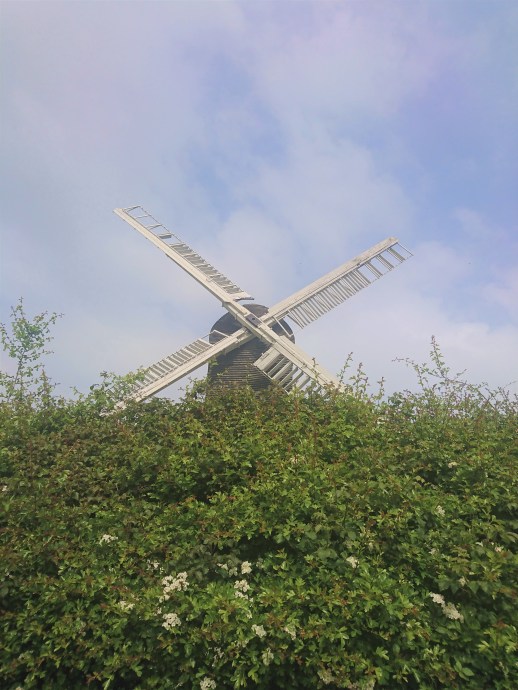
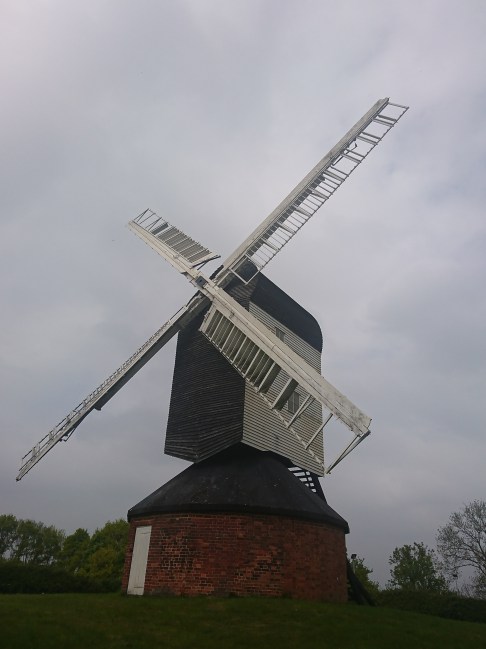
MOUNTNESSING WINDMILL
Close to where my parents live is a the village of Mountnessing. Located just of its main street is the Mountnessing Windmill.

It is a Grade II listed building that has been restored to full working order. It is also the nearest mill in Essex to London.
The current windmill was built in 1804 and historic records indicate that there was a mill on this site since 1477.
Although it has been closed to where i lived i have never paid it a visit.So on my next visit to the UK i will have to find time to visit it.
The Mill is now owned by Essex County Council and Friends of Mountnessing Windmill.
It is open from the third Sunday in the month from April to September from 2pm – 5pm.
Photos ©wildbaynz February 2018
WARLEY PLACE: Through the Seasons
Unknown probably to many people outside of the immediate area is Warley Place which managed by Essex Wildlife Trust.
I am not sure if i ever knew of its existence apart from where the site is open for a very short few weeks in spring to the view the vast amount of Spring Bulb Spectacular from late Feb to early/mid April. This event would bring lots of families to the gardens and with the colours of display it is not surprised. The flowers are not picked but left to go through their flowering process.
Even then it was only when i returned to the UK for a year with work that i took the opportunity to visit the site on a few days at different times of the year.


What ever time of the year there is some interest from the cold winter mornings, autumn with the colours of the leaves changing to the golden oranges and the summer months where the shade of the trees afford some protection from the sun.
It is not a large site but there is so much to see when you amble through trees or if only you wish to sit on one of the benches and read a good book.


The history of the site goes back to 1875 when the Willmott family, comprising Frederick Willmott, his wife Ellen and his two daughters Ellen Ann and Rose, moved to Warley Place in 1875. The three women were all keen gardeners, but it was Ellen Ann who really transformed the grounds into one of the most celebrated gardens in the country. Her father died in 1892 and her mother in 1898, her sister Rose having married into the Berkeley family in 1891 and moving to Spetchley Park, near Worcester, in 1897.
As well as developing the gardens in general, in 1882 the daughter Ellen, at 24 years of age, started on her new alpine garden. It was a major undertaking, involving building a ravine with a stream running along it and a special cave for her filmy ferns. The ravine and the massive rocks exist to this day, but sadly there is no sign of the original plants.
In 1894 Ellen acquired the services of a gardener from Switzerland to oversee the alpine garden. Jacob Maurer proved to be brilliant at his job and a real gentleman, and stayed there until she died forty years later. The cottage in which he lived, with his wife and nine children, was South Lodge which still stands by the entrance to Warley Place.
The house was sold and permission sought to turn it into a luxury housing estate. This was not to be and the house was demolished in 1939, the garden reverting to a wilderness. It was leased from the grandson of the 1939 purchaser to the Essex Naturalists’ Trust (later Essex Wildlife Trust) in 1977 and has gradually been brought up to its present standard as a nature reserve, but still retaining as many as possible of the features of the original garden.*


* Taken from the Essex Wildlife Trust.
©wildbaynz 2017
Observations from an improving commuter ( LONDON)
In the last year i have gone from a novice London Commuter to an expert. I having nothing but admiration for those who commute to London with its trials and tribulations that it brings.
For those who do commute it is a necessary evil that requires patience and determination to arrive at ones destination in one piece without being angry or frustrated.
You stand your ground once on the underground trains, you know the best carriage for the station you are getting off at or what side of the carriage you need to be on as well.
But then you get to see some interesting things going on while people travel on the train, below are some of the most interesting things that i have seen to the most weird. People watching is a wonderful activity.
- Children using the had grips to swing on. Its strange that it hurts when they fall onto the flow when the train suddenly moves off.
- Those in their gym gear who decided to continue their exercise on the tube by using the poles as some type of gym equipment. Its not a good sight when the train is full.
- Ladies I know you wish to look good when you arrive at your destination but please do not use hairspray just before you get off the trains especially when full.
- Gents As above but with deodorant.
- Trying to get into a gap on the train when there is no space left and then being surprised when someone makes a comment that there is no H2O left.
- Playing games with your suitcase on the train. One person nearly lost his trolley onto the platform when the door opened.
Then you get to standing your ground. Yes i am probably one of those people. You have spot that you have found and you do not wish to give up that space until your station.
- Empty seat hunting. Its a guessing game as to who is likely to get up from their seat.
- Being pushed out of the way the moment you start to get up from the seat and often by more than 2 people.
- As people are still getting of the train you don’t move to stand in the middle of the door in preparation for your stop….. it could mean that you end up on the platform and the train leaves without you.
- Backpacks = less room for people.
- Do not lean on the closed doors as the tube may not move or stutter. The driver may not be very unhappy.
- Eating on the train. It happens but there is some really smelly food and please don’t leave your rubbish on the train or station.
Station behaviour.
- Standing in the door way. Please move out of the way to let others through.
- Stopping at the top/bottom of stairs or escalators. Fellow travellers will pile into you.
- Walk don’t run to get to the train that has just left or you may trip over.
- If i’m following through one of the ticket barriers and your ticket does not work,do not look at me because i will not let you through.
- Musicians all but a few are rubbish.
Even with all of above i managed to survive the whole experience. Did i enjoy it, some occasions maybe others less so. The experience was worth it.
Then there are the announcements.
- Please mind the gap.
- Stand on the right, walk on the left,hold the handrail, do not run
- Keep an eye on your children
- There are professional beggars don’t encourage them, please give you loose change to charity.
- The next station is…..
- Oyster cards and contactless payment cards are not permitted beyond this station.
© Wildbaynz October 2017
The Mud Solider:The Centenary of Passchendaele
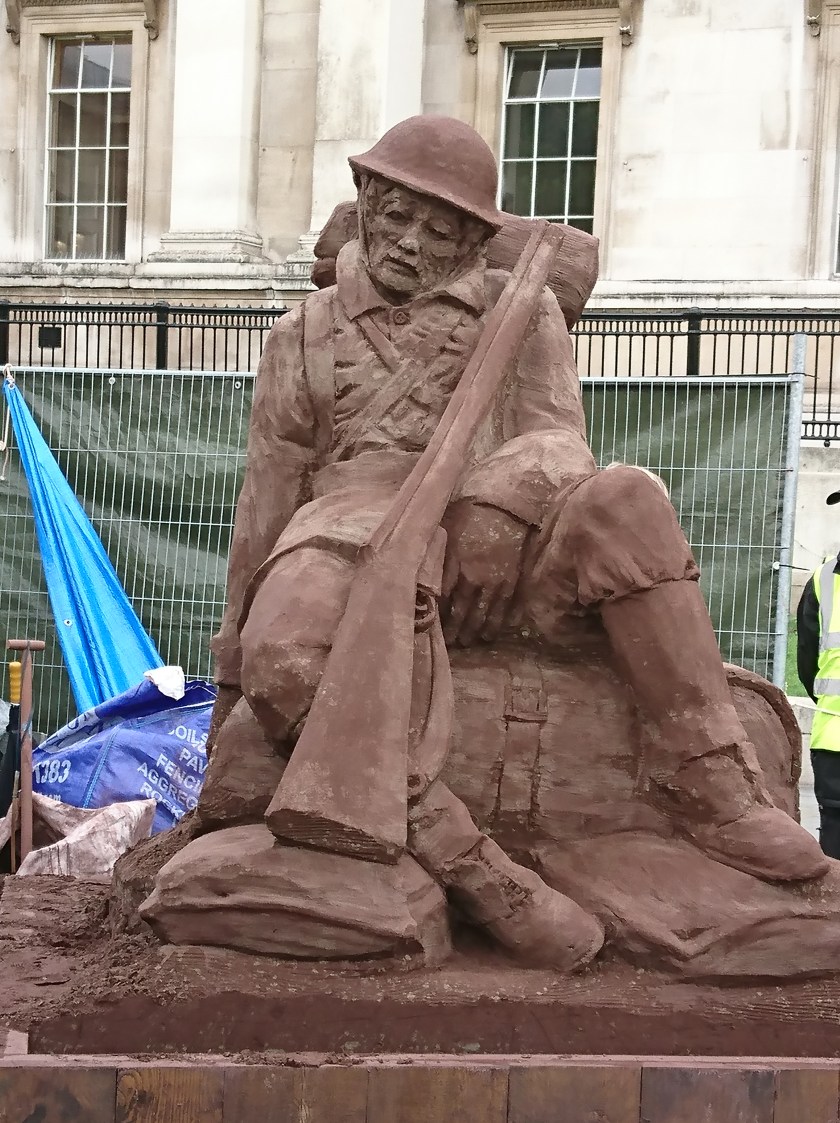
The end of July 2017 marks the centenary of one of the First World War’s most bloody battles. Today, it is difficult for us to envisage the scale of the Battle of Passchendaele in which almost 500,000 men were either killed, injured or simply went missing.*
The Mud Solider was only on display for 4 days before melting away and removed from its location.
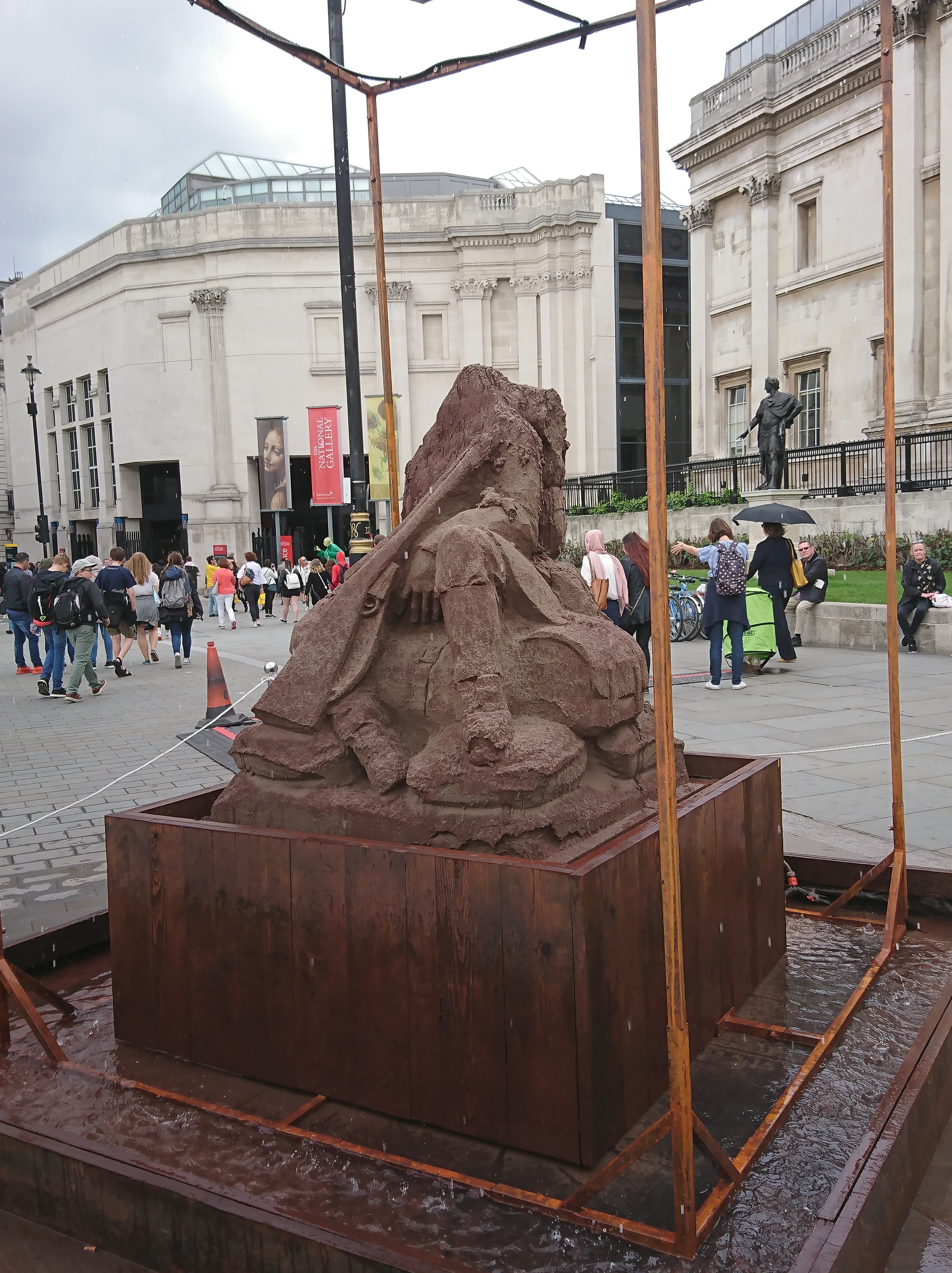
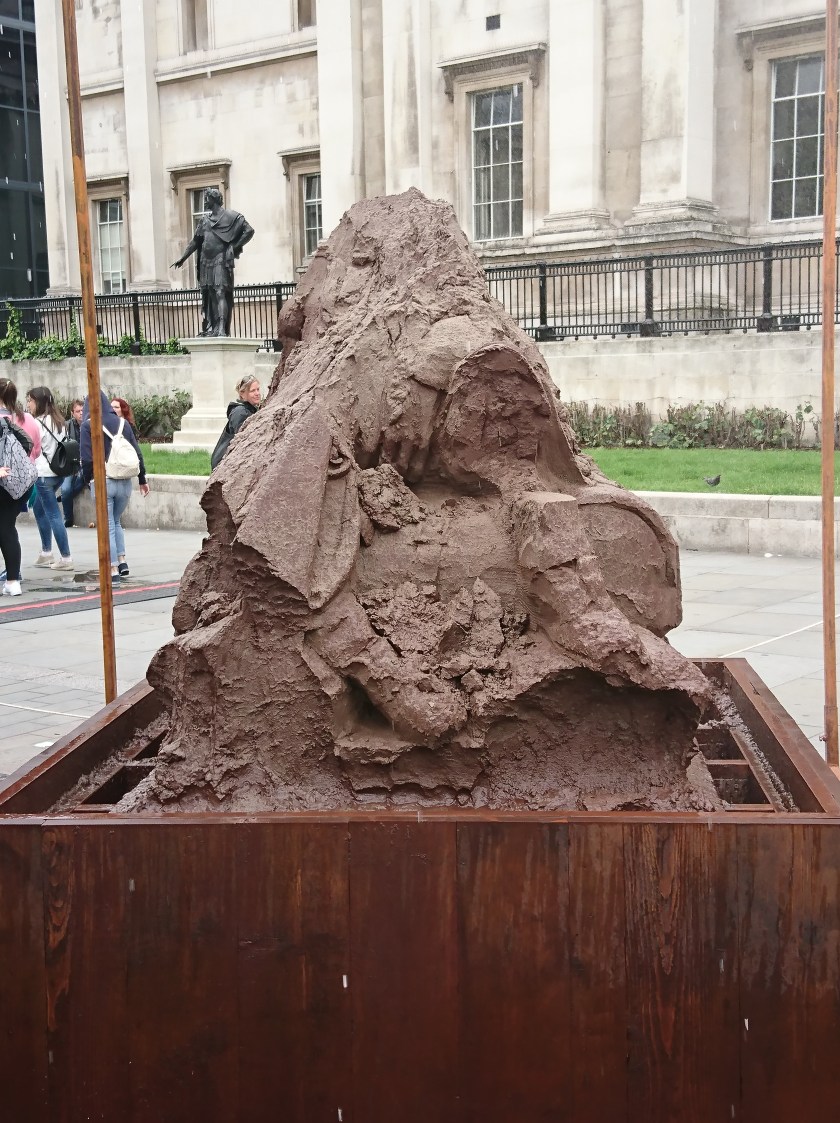
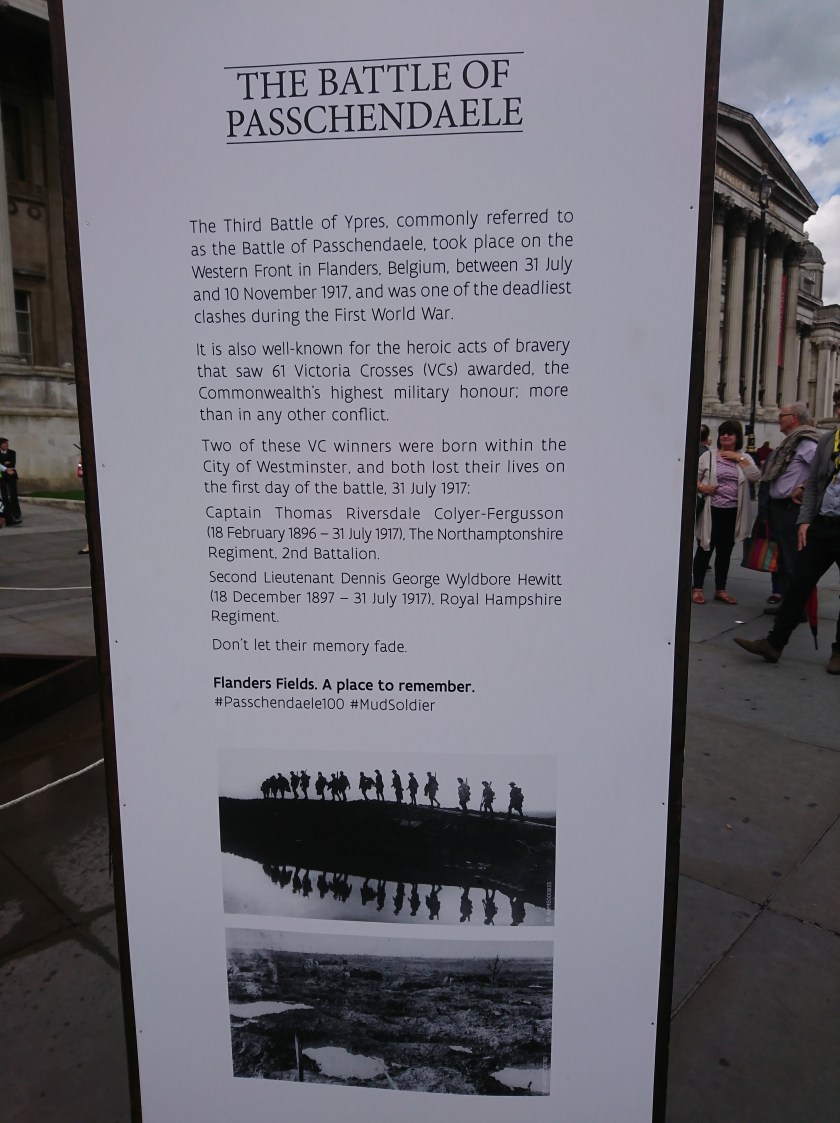

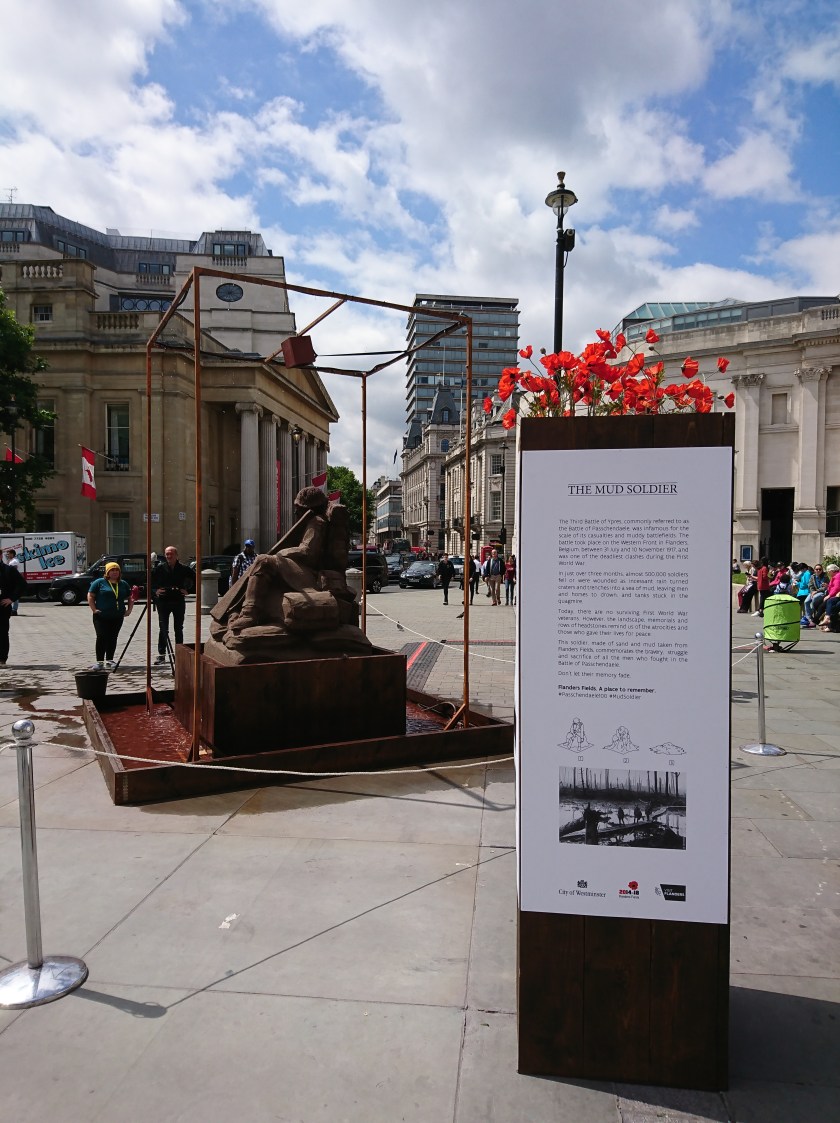
Details of the unveiling and the history of Passchendale
The Story behind the making of the sculpture.
- Taken from the opening paragraph from the City of Westminster
©wildbayNZ July 2017
The Chapel of St. Peter-on-the-Wall Bradwell-on-Sea

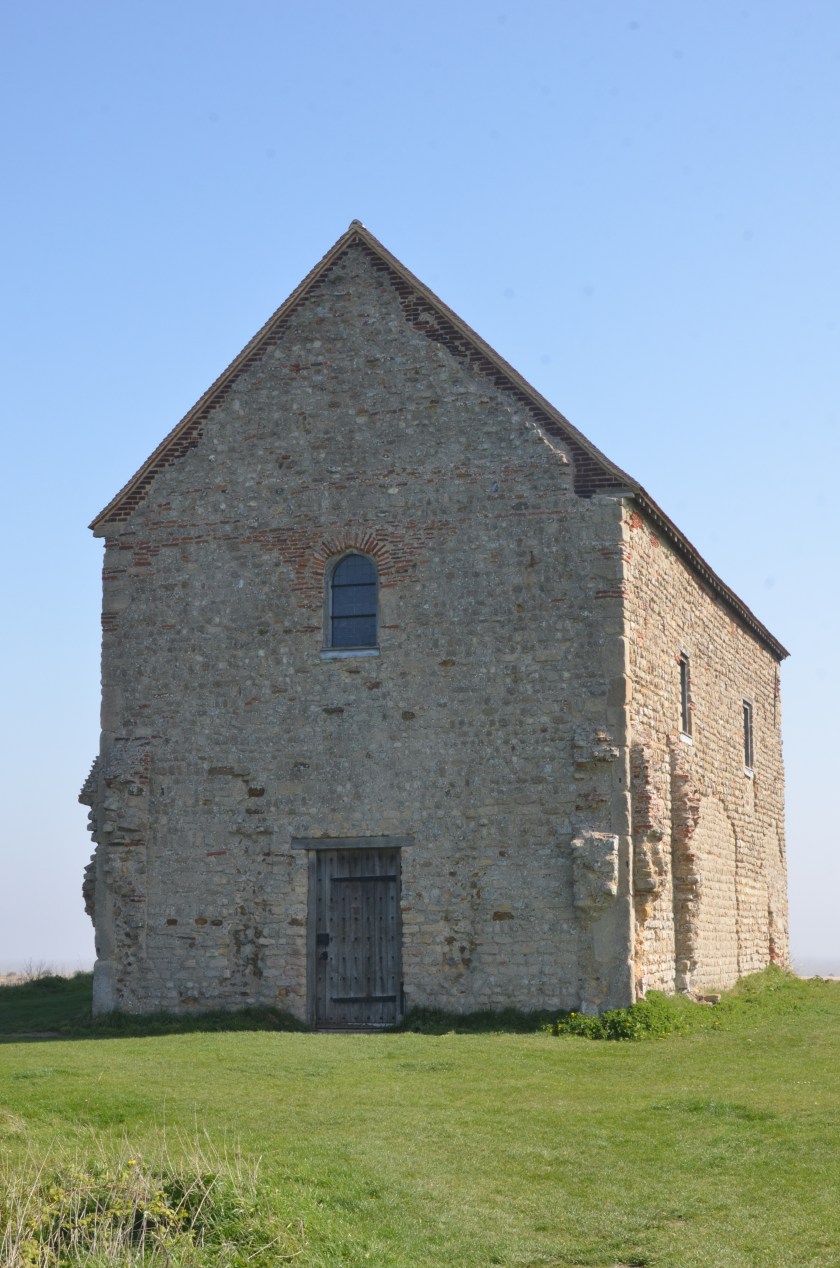
Located along the sea wall overlooking the River Blackwater and a short walk from Bradwell-on-sea is The Chapel of St.Peter-on-the Wall which is a Grade I listed building and among the oldest largely intact Christian churches in England. It is the 19th oldest building in the country and is still in regular use.
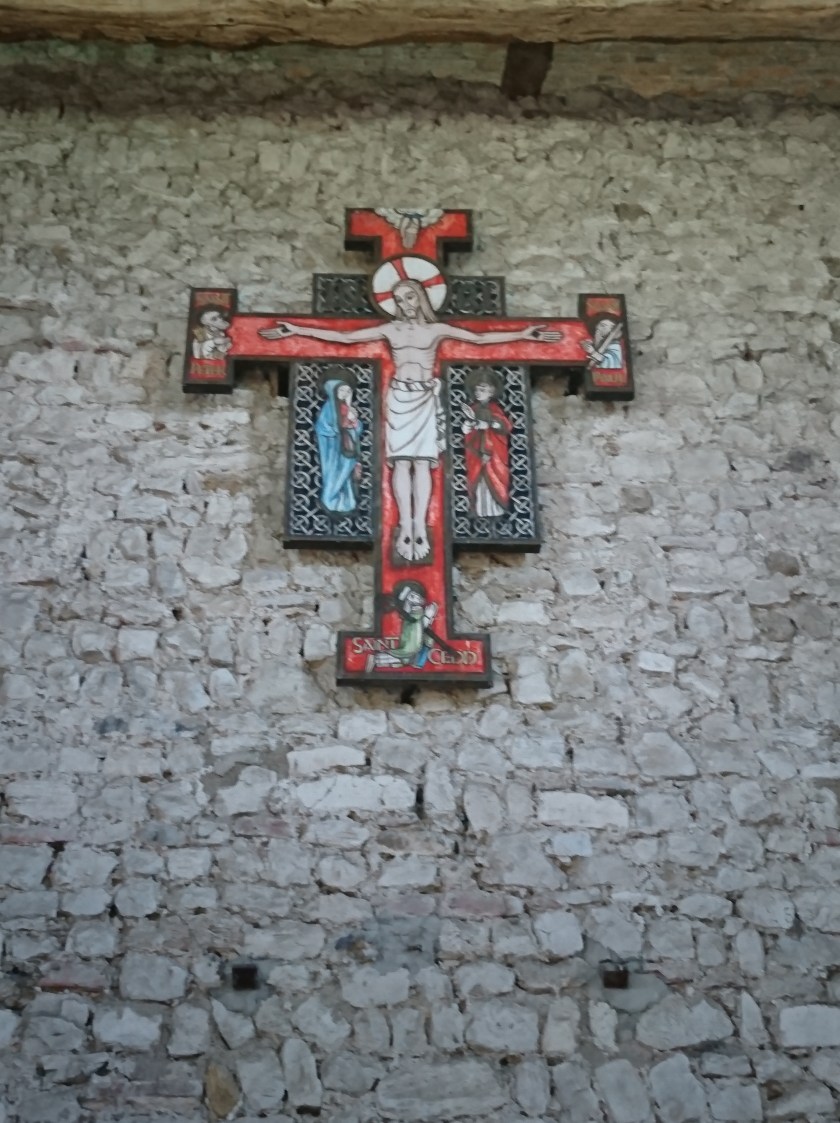
Standing alone surround by fields on 3 sides and the flood plane and beach of the River Blackwater.


The Church was built by St Cedd in 664 the year after he arrived at Bradwell after sailing down the coast from Lindisfarne.
After spending many years visiting the area where i learnt to sail and the odd visit with relatives it was so good to return after a very long time and to see it has not changed.


The simplicity of the building the location and the views that it commands is something special.


A must place to visit either on its own or as part of the many walks that are around the area.
©wildbaynz 2017
Lille Cathedral, the Basilica of Notre Dame de la Treille
Dream crazy, the cathedral of Lille was born in the spirit of rich Lille 19th century. They wanted at that time to build the most beautiful, most sumptuous and the most perfect church in the Gothic style of the 13th century, in order to shelter there a holy Marian image, the ancient statue of Our Lady of the Treille , Benevolent patroness of the city since its origins. The first stone was blessed on July 1, 1854. The last was sealed in 1999.
lengthy Site, the “Treille” as it is called, will place this view in the tradition of its predecessors. The construction, largely carried by the eminent figure of Cardinal Liénart, experiences vicissitudes requiring compromises and renunciations.
The last cathedral of the 20th century, the fruit of traditional techniques and avant-garde technologies, it houses a living and prayerful community. Mother Church, Notre Dame de la Treille cathedral hosts the great moments of the diocese’s life and the prayer of the passer-by. 1
Hidden from view by many of the old buildings that have been around for years as well as many modern buildings it is very easily missed.

When you first see it it from the outside do not be put of by the grey exterior of the building, because it hides the real beauty for those who go inside.

It really does look tall from the outside but once inside the true height and size is there to be seen. The main stained glass that is above the main door is something to admire while looking along the NAVE to the opposite end you glimpse the more traditional stained Glass windows.


A must place to visit, take time to look and admire the simple parts of the church as well as those areas that required a lot of work.


Note 1: Taken from the Cathedral Web Site.
©Wildbaynz/Windyhillflyingclub December 2016
Windows on Christmas: London Style
There is a currently a Christmas Market located at Leicester Square. Located on the fencing that surrounds the market are some paintings.
These paintings were done by various junior schools that are located within the Westminster area.
It always enjoyable to see how children interpret events and these are no exception.


©wildbaynz/windyhillflyingclub 2016
Kinderstransport Statues: London Liverpool Street Railway Station.
There are two memorials located at London Liverpool Street Railway Station. One smaller one located near one of the entrances to the Underground while the larger one is located upstairs.


The inscription on the main main one says it all.
In Gratitude to the people of Britain for saving the lives of 1o,ooo unaccompanied mainly Jewish Children who fled Nazi persecution in 1938 and 1939.
The sculpture was created by Israeli sculptor Frank Meisler, who was among those saved. A corresponding memorial is located at Friedrichstrasse station in Berlin.
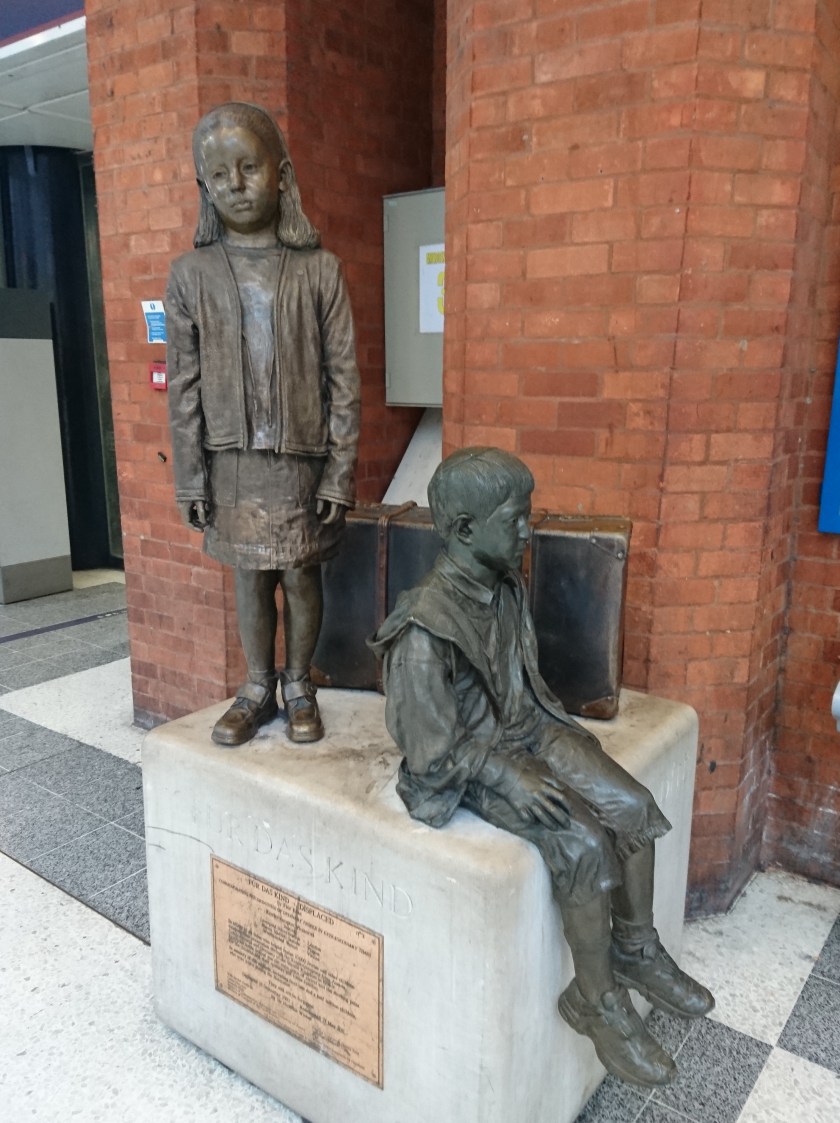
The smaller statue was made by Arie Oviada.
If you ever have the time and are traveling through Lomdon Liverpool Street plese take time to have a look at both memorials.
Full History of the Kinderstransport Children
©Wildbaynz/Windyhilflyingclub
 WildBay