The Bolton Street Cemetery opened in 1880 which was then located on the outskirts of the developing Wellington. Unlike the usual way where the different churches would have their own cemeteries, the idea was to have one area.
As part of this the individual faiths asked for different areas within the overall area. So the area was divided so that the Anglican. Jews the public areas whilst the Catholics had a separate area which is currently located in Mount Street Kelburn.
With many deaths occurring and the ever growing city it closed in 1892 to any one other those related to those who had relatives buried there.Community leaders and politicians were also buried there.
Wellington City Council also took over control in 1892.
During the 1960’s Wellington proposed to build a motorway through the cemetery, which resulted that it closed between 1968/71.
During the construction around 3700 burials were discovered and exhumed. These were moved to a vault located underneath the Memorial Lawn although some were moved to Makara and Kariri.
Those burials that could be identified are recorded at the chapel located near the Bolton Street Hotel.
The cemetery is classed as a Historic Site and Reserve.
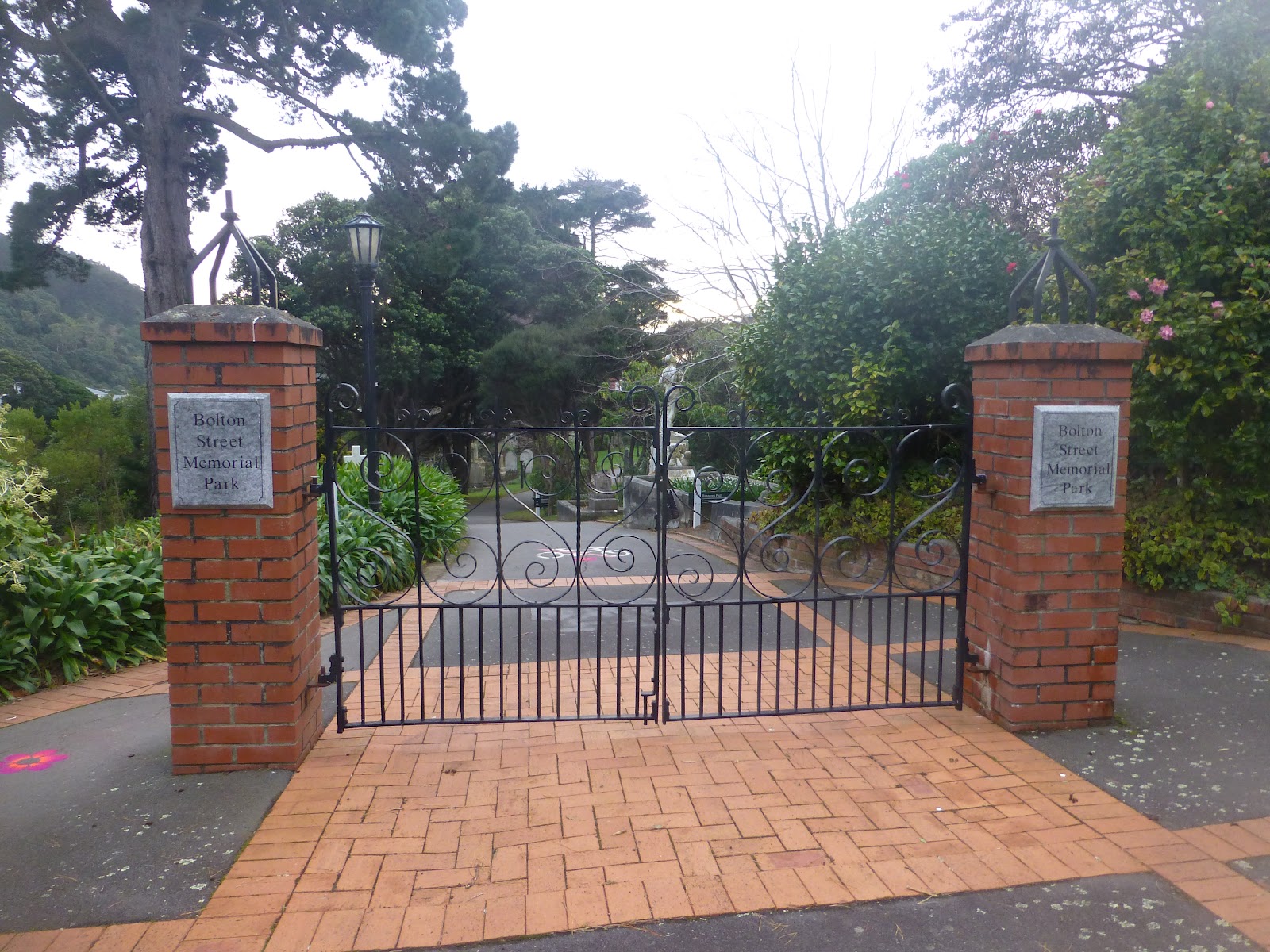
Entry to the area is through to main areas. One is from near the Rose Garden at the Botanical Gardens or from Bolton Street which is located of the Terrace on the town side of the motorway.
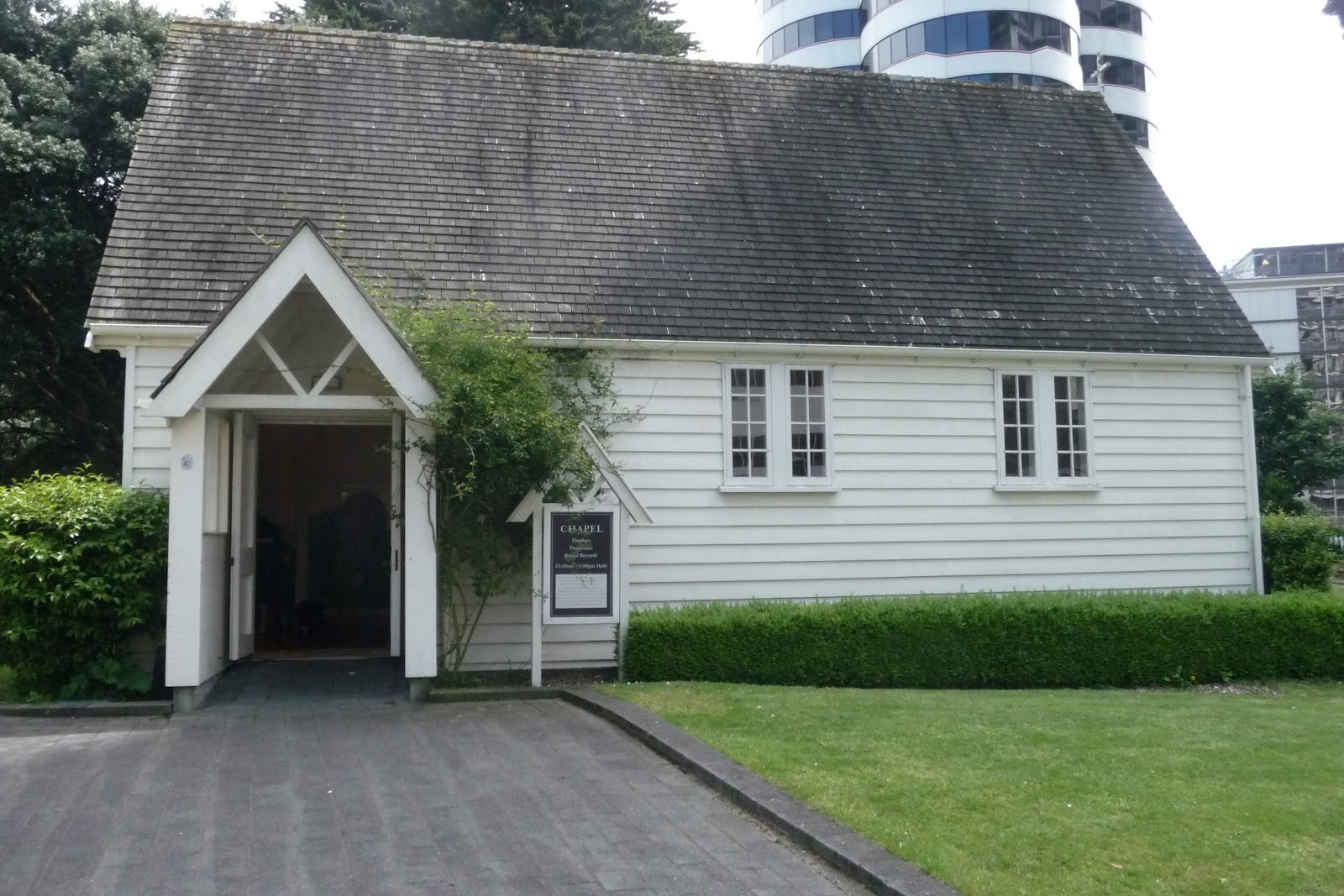
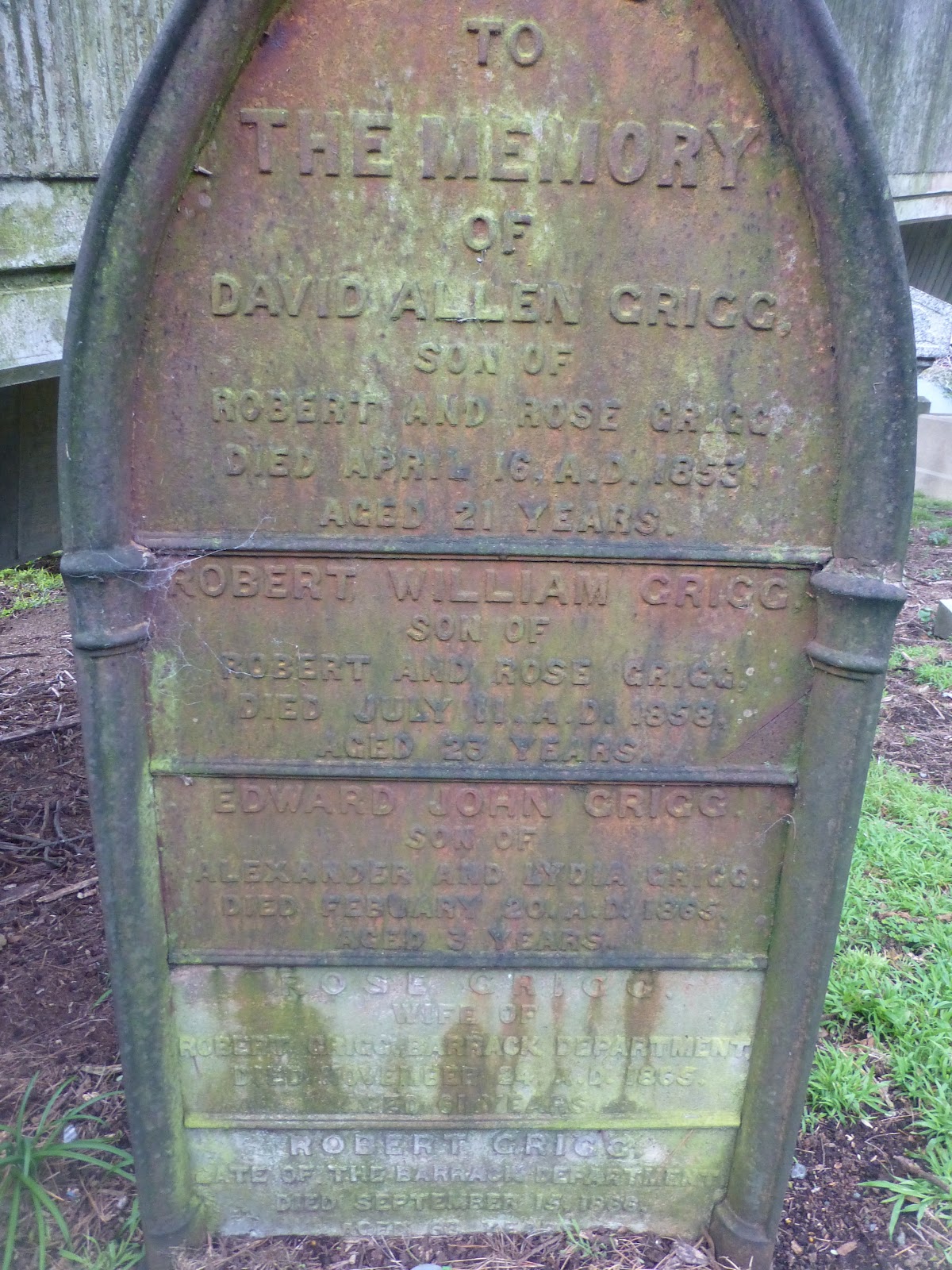
Located at the Bolton Street entrance is the Chapel which is open from 10 to 4 each day. Here you will found the books that contain the list of the names of those that are known to have been buried there.The books have 8,679 names listed of those buried.
The Chapel is located next to the Sexton’s Cottage which is one of the oldest buildings in Wellington
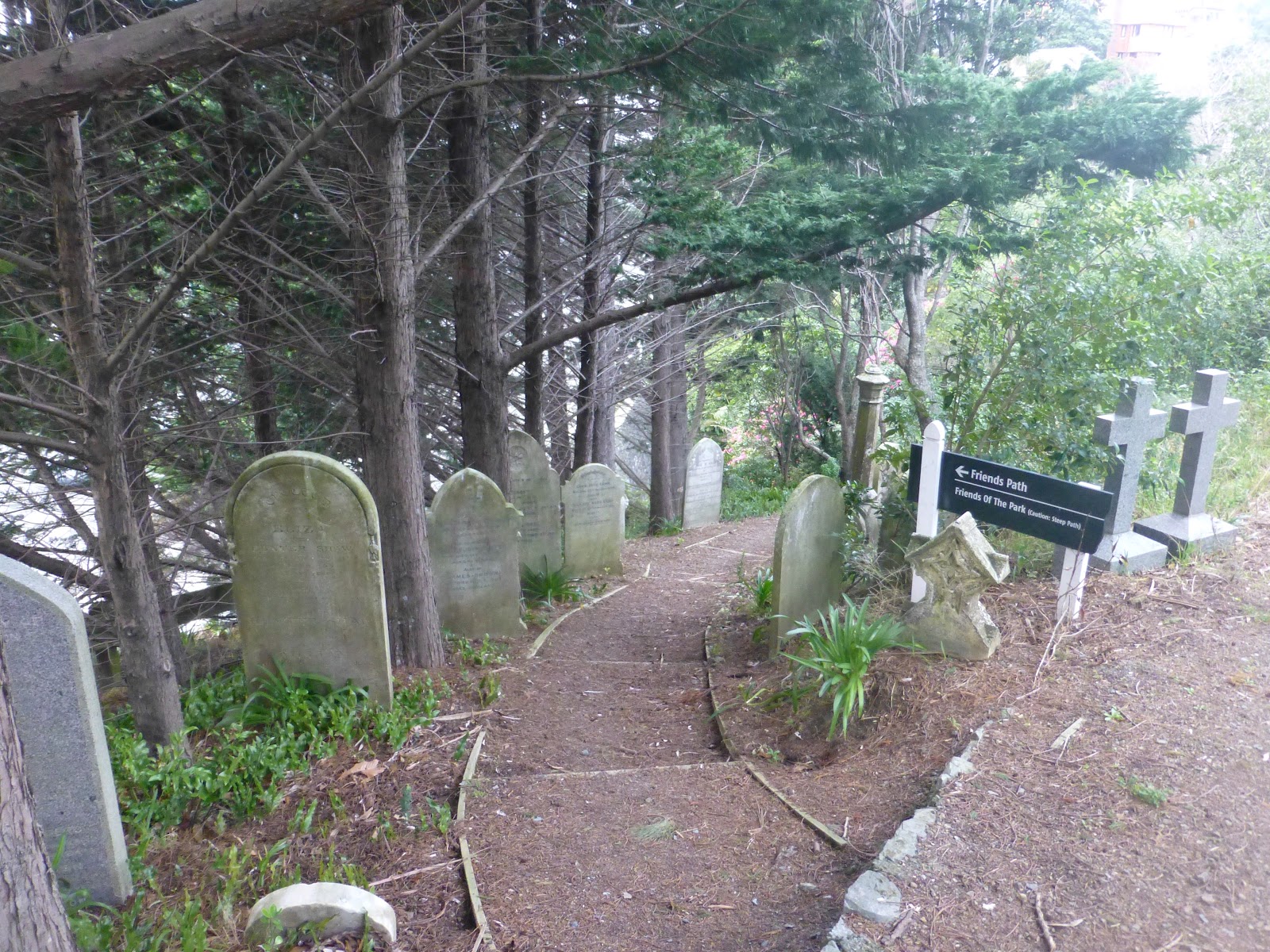
Just past the Chapel is the Early Settler’s Lawn. This is lower than the Chapel. Around this area some short tracks that take you around through the head stones
.
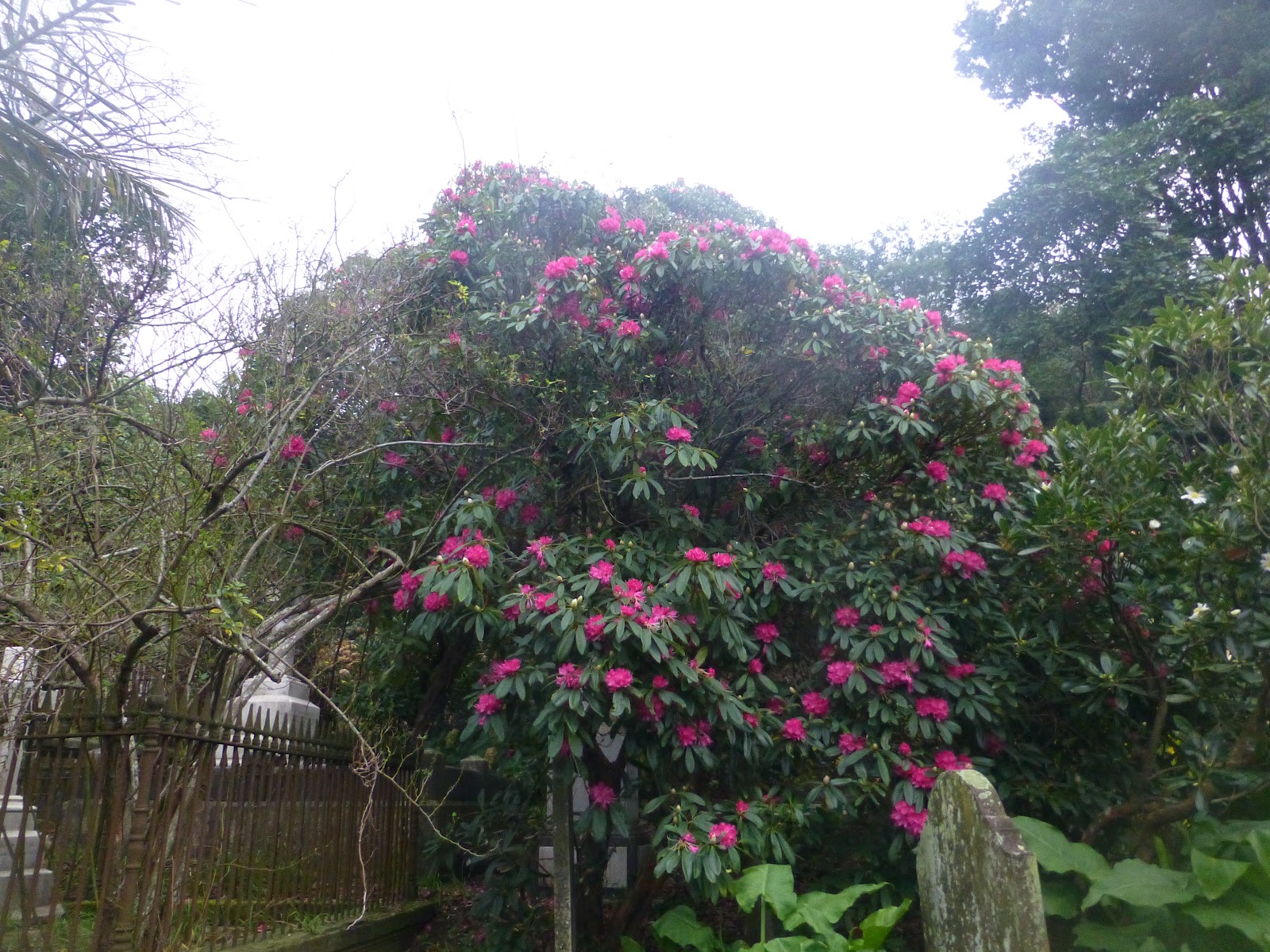
Then take the foot bridge over the motorway where you will come across the larger part of the Cemetery. Here there are a number of tracks that are all named. Take a slow walk and have a sit and relax through this oasis.There are a number of plants that can be traced back to the early days.
You climb gently until you arrive at the main gates where you enter the Botanical Gardens.At these gate you will see the Seddonstatue with its view over Wellington.This site was the original site for Wellington’s Time Service Observatory.Located under the statue is the family tomb that is the resting place for Rt Hon Richard Seddon (1845-1906) and Mrs Louisa Seddon (1851- 1931), daughter Mary Stuart Hay and son Richard John Spotswood Seddon
Below are 2 good sites on the Cemetery.
Friends of Bolton Cemetery. A excellent site providing detail information of the history and the plans for the
cemetery.
Wellington Council Page Wellington’s Council page on its Web Page.
Richard Seddon History about Richard Seddon *
Family Burial Plot.
James/ Windy Hill Flying Club
*Wikipedia













 WildBay