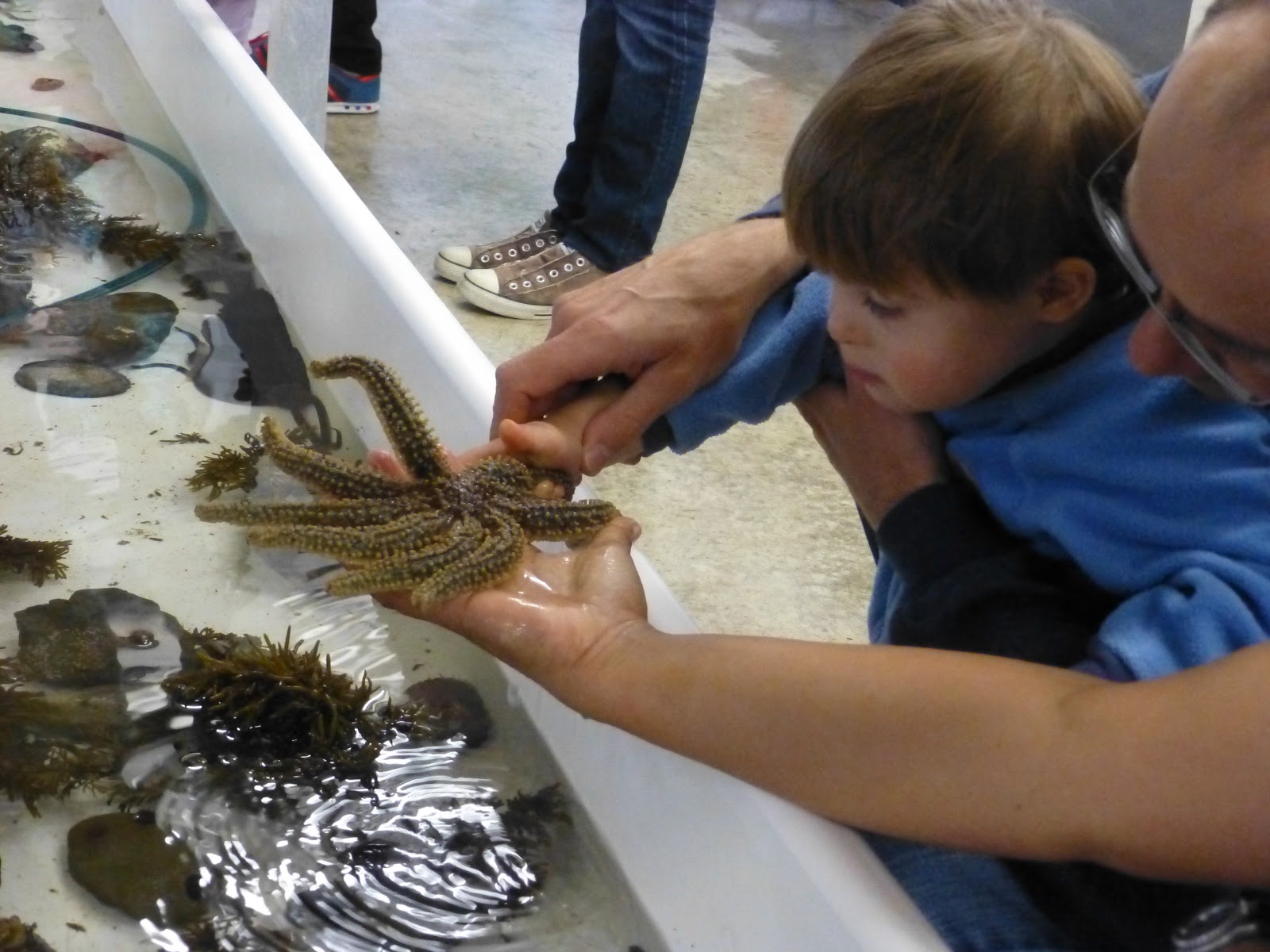
As part of the SeaWeek NZ the VUCEL opens its doors for 1 day only each year to the public. The idea is to allow the public to see what the students and the Uni does.
Staff and students were on hand to provide some great insight to the work that goes on and were very keen to answer what ever questions that were asked.

The Wet Labs as the name implies is where all the “wet research” takes place as well as the staging area for field research which includes diving and boating work.
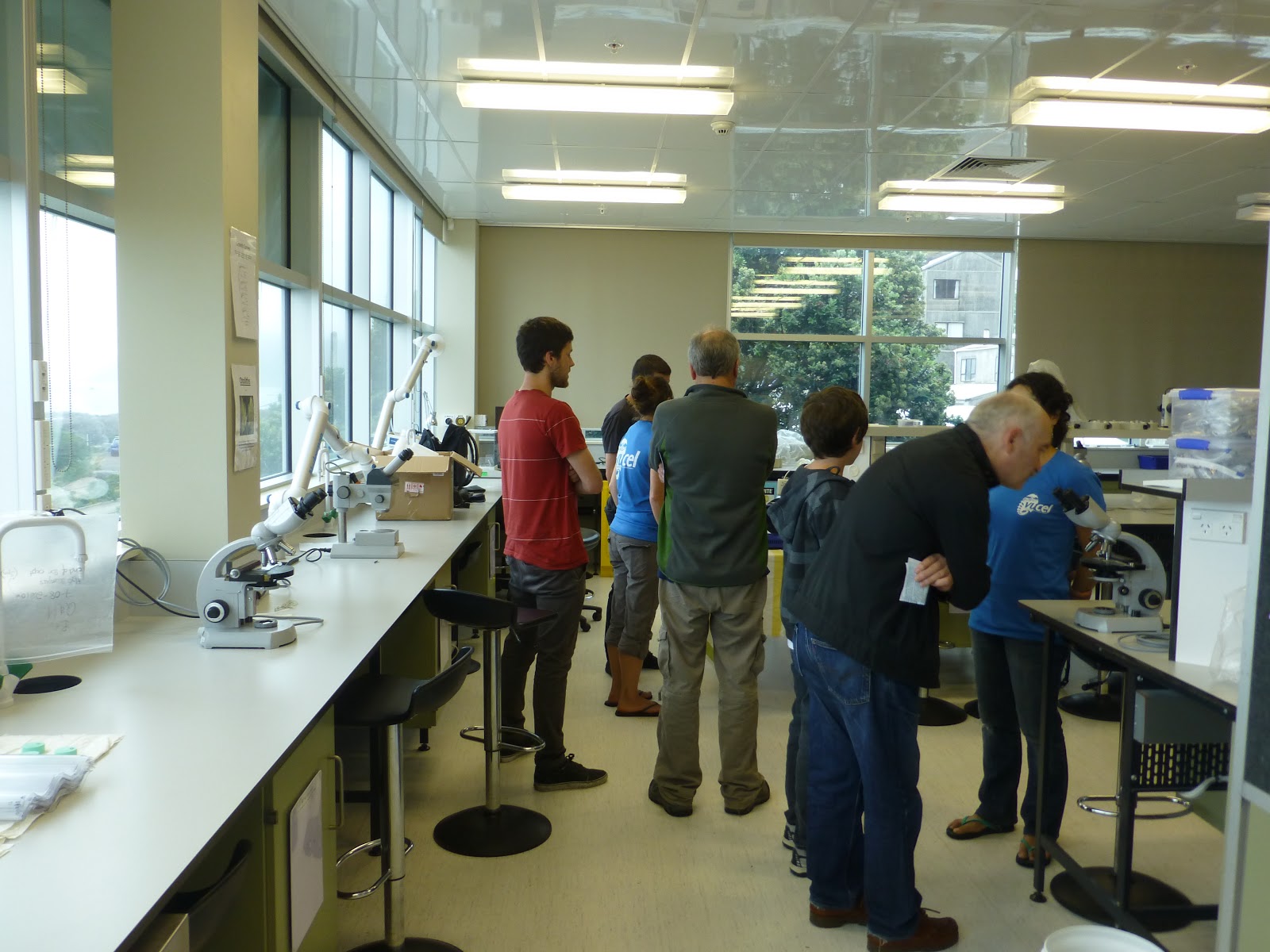
The Dry Labs is where a lot of the research activities take place.
There were a number of information boards giving some very good information about the work that is being carried out on site.
Also present were some students from the Design and Technology department who were showing off a building machine that was “making a shell’ that had been scanned into a computer.
The idea show that a shell could be made where a new shell is required. The long term idea is to help make small coral which could be used to regenerate areas that have been lost.

In the entrance i had the chance to talk to 2 staff from Te Ropu Awhina. It is a on campus Whanau for Maori and Pacific students.
The aim is to encourage those from the 2 groups to take up either Science, Engineering, Design or Engineering.It is felt that there is not enough people from these 2 groups in these professions, so they go out and visit schools highlighting what is out there and to offer them support.
It was established at Vic Uni at Wellington in 1999.
A Brief History: *
The VUCEL’s Maori Name is Te Toka Tu Moana which means “the surf-beaten rock that stands firm in the ocean”
VUCEL began in the 1920″s when it was proposed by Vic Uni to have a lab on the South Coast near Wellington
The 1st VUW Marine Lab was at Island Bay from the 1960’s until 2007.
The new building was designed as a state of the art which includes features like reclaimed rainwater for the toilets,irrigation and boat washing.
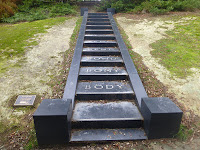
The “ribs” at the entrance were made from recycled timber from the previous building. Also the entrance is guarded by a carved Kaitiaki.

Much of the active research programmes cover the life histories of NZ organisms, the effects of marine and other coastal restoration and the effects of terrestrial run off,disturbance and climate change change on coastal ecosystems.
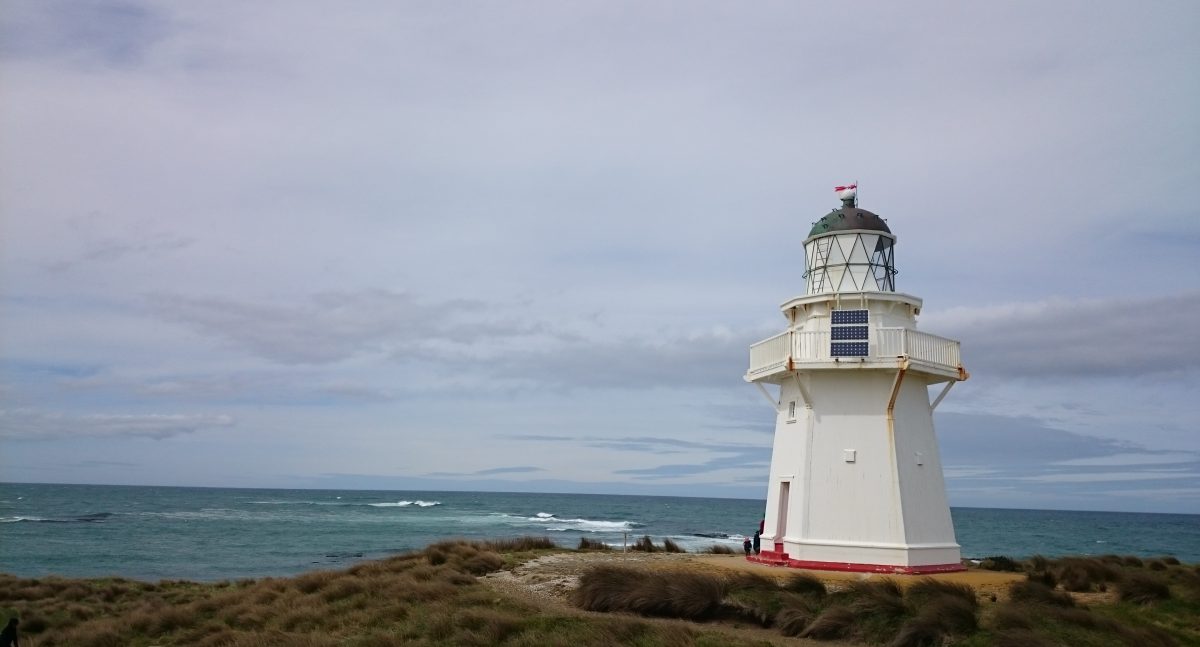
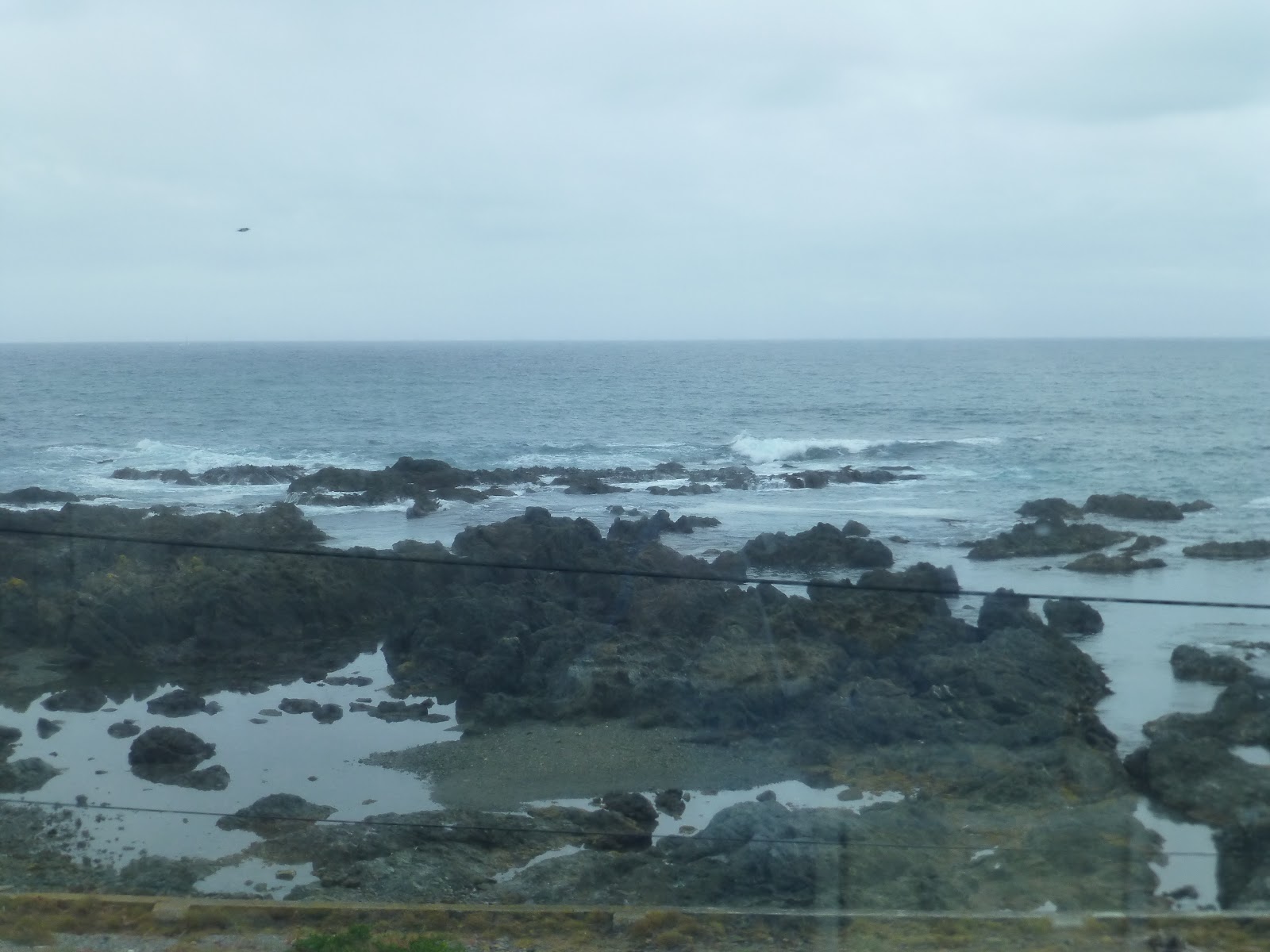
The Building is located at 396 The Espanade Island Bay. This between Island Bay and Owhio Bay. The Taputeranga Marine Reserve is also located along the stretch of coast.
The view from the 2nd floor is what every office should have.
* Information is a selection taken from the brouchers from the open day.The links below will show the full information avaialble.
Vic Uni Coastal Ecology Lab Web Page
Friends of Taputeranga Reserve
james.wildbaynz/windyhillflyingclub

 WildBay